
Central African Republic Travel Safety Guide
What are the emergency numbers in Central African Republic?
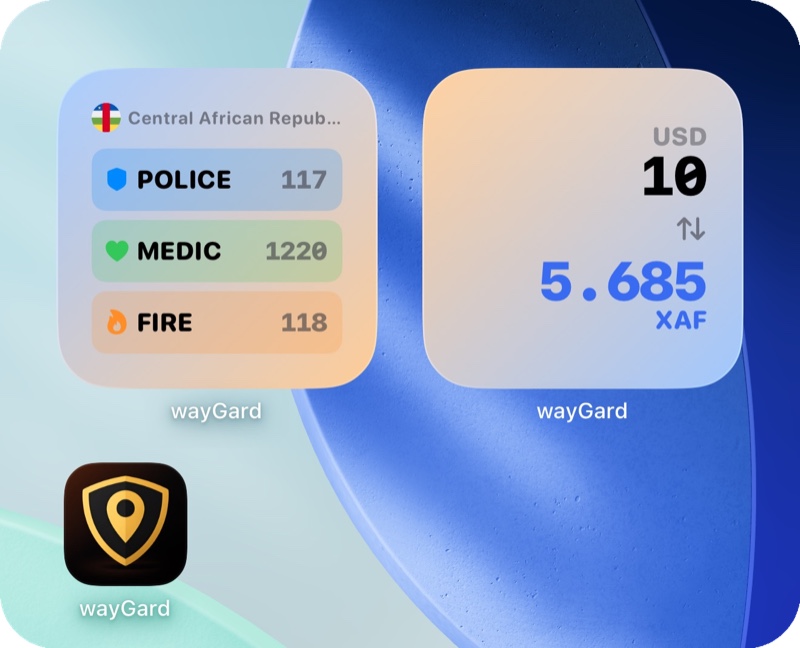
Central African Republic emergency numbers: 117 (Police), 1220 (Ambulance), 118 (Fire Department).

Is Central African Republic safe for travelers?
This is not a normal tourism destination. Armed conflict, banditry, kidnapping, and roadblock extortion remain major risks across the country.
Outside Bangui, conditions are extremely unstable and government services are limited.
What health risks should travelers know about in Central African Republic?
A yellow fever vaccination certificate is required to enter.
Medical capacity is very limited outside Bangui. Do not assume reliable emergency care or medicine supply.
A large Ebola outbreak in neighbouring DR Congo, declared in May 2026, is a WHO international health emergency, so expect health screening at borders. Malaria and cholera are also widespread: use mosquito protection and drink only bottled or treated water.
What laws should tourists know about in Central African Republic?
By law you must carry ID, such as a certified copy of your passport, and police can detain you without it. Expect official and unofficial checks: police and armed groups often search and detain people at random, including foreigners.
There is an export tax on cultural artefacts, and customs rules are strict.
You often need permission to take photos in public. Never photograph government buildings, police, soldiers or military sites, or scenes officials think harm the country's image, such as street children. You can be detained, fined and have your camera taken.
Same-sex relationships are not illegal, but LGBT+ travellers can be arrested for public displays of affection. Only buy diamonds or other precious stones through government-authorised agents.
How is transportation in Central African Republic?
Road travel is a major security risk. Night travel is especially unsafe, and checkpoints may involve bribery demands.
What should travelers know about money in Central African Republic?
Bring euros in cash: they are easier to change into Central African francs than US dollars, ATMs are very rare, and most places, including hotels, do not accept foreign cards.
City Specific Info
Bangui
Bangui is the only place some travellers pass through, but even there armed patrols, roadblocks, and rapid security deterioration are real risks.
Which embassies are in Central African Republic?
Mostly in Bangui.
 China
 France
 Holy See (Vatican City)
 Morocco
 Romania
 Russia
 United States
Frequently Asked Questions
What is the emergency number in Central African Republic?
In Central African Republic, you can reach police at 117, ambulance at 1220, fire services at 118. These numbers work from any phone, including mobile phones without a local SIM card.
Is Central African Republic safe for tourists?
This is not a normal tourism destination. Armed conflict, banditry, kidnapping, and roadblock extortion remain major risks across the country.
What currency is used in Central African Republic?
Bring euros in cash: they are easier to change into Central African francs than US dollars, ATMs are very rare, and most places, including hotels, do not accept foreign cards.
What health precautions should I take in Central African Republic?
A yellow fever vaccination certificate is required to enter.
What laws should tourists know about in Central African Republic?
By law you must carry ID, such as a certified copy of your passport, and police can detain you without it.
Get wayGard for iOS
Get all of Central African Republic's safety info offline.
