
Reunion Travel Safety Guide
What are the emergency numbers in Reunion?
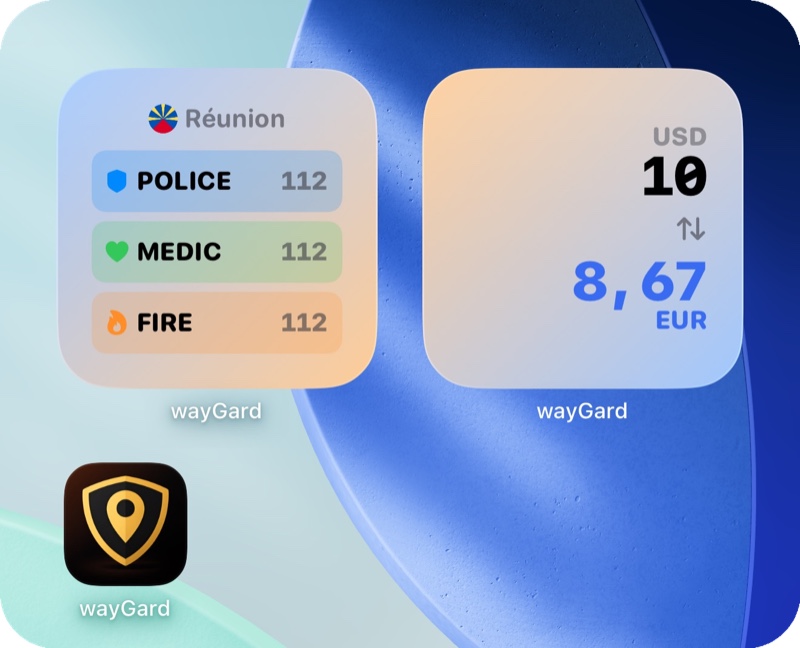
Reunion emergency numbers: 112 (Police), 112 (Ambulance), 112 (Fire Department).

Is Reunion safe for travelers?
Keep the usual island-theft precautions, but the bigger planning issues are weather, terrain, and outdoor exposure rather than serious street crime.
Shark attacks have killed swimmers and surfers here. Swim only in the reef lagoons or in supervised bathing zones; elsewhere along the coast, swimming, surfing and bodyboarding are banned by prefectoral order.
Cyclone season runs from December to April. Under a red cyclone alert (or higher), everyone must stay indoors and all travel is banned, so follow Météo-France and prefecture alerts.
Demonstrations can start at short notice and disrupt transport, and the authorities may impose local curfews. Avoid crowds and check local news before long drives.
What health risks should travelers know about in Reunion?
Chikungunya and dengue spread here through mosquitoes, and a large chikungunya epidemic hit the island in 2025. Use repellent and cover up, as these mosquitoes bite during the day.
Heat, sun, and mountain conditions can be a more realistic risk than street crime if you are hiking or exploring volcanic areas.
What are the entry requirements for Reunion?
Réunion is part of France and the EU but outside the Schengen Area, so a Schengen visa does not automatically cover it; check the rules for your passport. The euro, French road rules and the 112 emergency number all apply.
Frequently Asked Questions
What is the emergency number in Reunion?
In Reunion, you can reach police at 112, ambulance at 112. These numbers work from any phone, including mobile phones without a local SIM card.
Is Reunion safe for tourists?
Keep the usual island-theft precautions, but the bigger planning issues are weather, terrain, and outdoor exposure rather than serious street crime.
What health precautions should I take in Reunion?
Chikungunya and dengue spread here through mosquitoes, and a large chikungunya epidemic hit the island in 2025. Use repellent and cover up, as these mosquitoes bite during the day.
Get wayGard for iOS
Get all of Reunion's safety info offline.
