
Djibouti Travel Safety Guide
What are the emergency numbers in Djibouti?
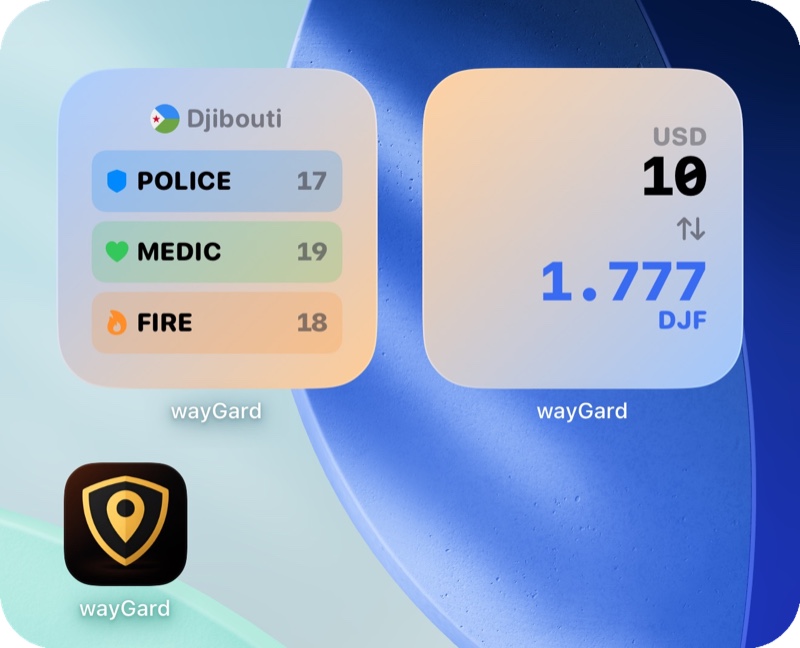
Djibouti emergency numbers: 17 (Police), 18 (Ambulance), 18 (Fire Department).

Is Djibouti safe for travelers?
Terrorists are likely to try to carry out attacks in Djibouti, including in places used by foreign nationals such as transport hubs, hotels, restaurants, and shopping areas.
Al Shabaab has publicly threatened Djibouti over its military role in Somalia, and foreign military bases and the places their staff use are possible targets. Vary your routines and keep a low profile.
Do not travel to the Djibouti–Eritrea border area: conflict could flare again and there are unmarked landmines. On roads north of Tadjoura and Obock, and near the Somaliland border, expect military roadblocks and get military approval for the journey if required.
Even in Djibouti City, keep plans simple, use reputable accommodation, and avoid unnecessary movement after dark.
What health risks should travelers know about in Djibouti?
Heat, dehydration, and limited high-quality medical options are the most practical everyday risks for many visitors.
Bring the medicine you rely on and do not assume easy replacement locally.
What laws should tourists know about in Djibouti?
Do not photograph ports, airports, bridges, public buildings or military sites; you can be arrested and your camera confiscated. Several foreign military bases are here, so ask locally before photographing anything near them.
Alcohol is legal, but drunken behaviour can bring up to 2 years in prison. During Ramadan, do not eat, drink, smoke or chew gum in public in daytime, including in your car.
How is transportation in Djibouti?
Use trusted hotel or pre-arranged transport instead of improvising late-night movement.
Regional travel needs more caution than city movement, especially near borders and isolated roads.
If you travel by boat, piracy and armed robbery remain a risk in the Gulf of Aden, and military activity in the Red Sea and Yemen can change at short notice.
What should travelers know about money in Djibouti?
Djibouti runs on cash: cards are rarely accepted, Visa works more often than Mastercard, and ATMs are mostly in Djibouti City. Bring US dollars in cash, which you also need if you buy your visa on arrival.
Which embassies are in Djibouti?
Mostly in Djibouti.
 Australia
 China
 Egypt
 France
 Germany
 Holy See (Vatican City)
 India
 Japan
 Palestine
 Russia
 Saudi Arabia
 Turkey
 United Arab Emirates
 United States
Frequently Asked Questions
What is the emergency number in Djibouti?
In Djibouti, you can reach police at 17, ambulance at 18. These numbers work from any phone, including mobile phones without a local SIM card.
Is Djibouti safe for tourists?
Terrorists are likely to try to carry out attacks in Djibouti, including in places used by foreign nationals such as transport hubs, hotels, restaurants, and shopping areas.
What currency is used in Djibouti?
Djibouti runs on cash: cards are rarely accepted, Visa works more often than Mastercard, and ATMs are mostly in Djibouti City.
What health precautions should I take in Djibouti?
Heat, dehydration, and limited high-quality medical options are the most practical everyday risks for many visitors.
What laws should tourists know about in Djibouti?
Do not photograph ports, airports, bridges, public buildings or military sites; you can be arrested and your camera confiscated.
Get wayGard for iOS
Get all of Djibouti's safety info offline.
