Egypt Travel Safety Guide
What are the emergency numbers in Egypt?
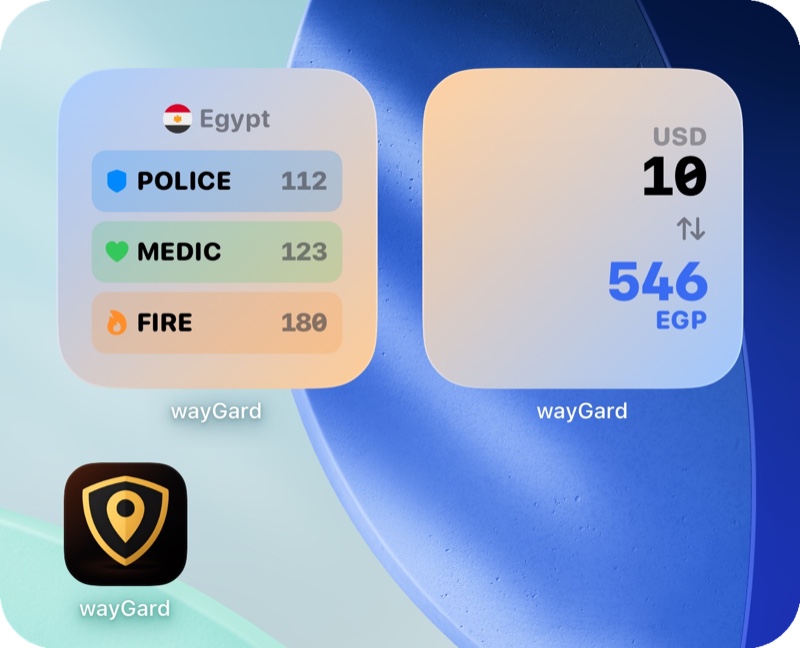
Egypt emergency numbers: 112 (Police), 123 (Ambulance), 180 (Fire Department).

Is Egypt safe for travelers?
Tourist harassment, scams, and pressure selling are common around major sights. Be firm and keep moving when you do not want a service.
Tap water is often treated as unsafe for visitors. Bottled or reliably filtered water is the safer default.
Food hygiene can vary sharply. Busy places with high turnover are usually the safer bet.
Do not travel to North Sinai or within 20 km of the Libyan border, apart from essential trips to El Salloum town. Make only essential trips to inland South Sinai north of the St Catherine–Nuweiba road (the coasts are not included), Ismailia east of the Suez Canal, and the Hala'ib Triangle and Bir Tawil.
In the Western Desert, make only essential trips outside the Mediterranean coast to Marsa Matruh, Faiyum, the oases of Siwa, Bahariya, Farafra, Dakhla and Kharga, the White and Black Deserts, and the Giza–Farafra, Farafra–Dakhla–Kharga, Kharga–Baris–Luxor and Marsa Matruh–Siwa roads. The Bahariya–Siwa road is closed and essential travel only, and Bahariya, Farafra and the White and Black Deserts need a permit in advance and an official guide.
Terrorist attacks are considered likely, including at religious sites and places foreigners visit, so stay alert in crowds. At Red Sea resorts, sexual assaults, including on children, are often by hotel or excursion staff: never leave children unaccompanied or let staff into your room when you are alone.
Since early 2026, Iran has threatened places linked to the US and Israel, and the risk of sudden escalation across the region is high. The Taba crossing with Israel can close at short notice and the Rafah crossing into Gaza is closed, so check that a crossing is open before you set off.
What health risks should travelers know about in Egypt?
Heat, sun, dehydration, and air quality can be harder on visitors than expected, especially in summer or in Cairo.
Mosquito and stomach issues are more practical travel risks than exotic disease fears for most short visits.
What laws should tourists know about in Egypt?
Photography near security, police, government, bridges, canals, and some infrastructure can cause trouble. Ask first when in doubt.
Even small amounts of drugs can bring life imprisonment or the death penalty, and khat is illegal. Things that seem minor elsewhere, such as drinking alcohol outside licensed venues, resorts or private homes, can lead to arrest.
Same-sex activity is not explicitly illegal, but LGBT+ people have been prosecuted under 'debauchery' laws, including for flying rainbow flags. Sexual conversations on dating apps and social media have led to arrests and prison, so be careful online and avoid public affection.
Do not bring a drone unless Egypt's Ministry of Defence has given permission in advance. Importing or flying one without it can mean up to 7 years in prison or a fine of up to EGP 50,000.
Foreigners who take part in political activity or criticise the government, including in social media posts, risk detention. Stay away from protests and political gatherings.
How is transportation in Egypt?
For Cairo and major cities, app-booked rides are usually easier than negotiating random street taxis. Uber and Careem are practical mainstream options in Egypt.
Crossing the road can feel aggressive. Do not assume pedestrian crossings will be strongly respected.
What should travelers know about money in Egypt?
Currency is Egyptian pound (EGP). Cash still matters a lot, even when cards work in better hotels, larger restaurants, and tourist businesses.
ATM, taxi, and forced-shopping style scams can target tourists. Use bank ATMs, agree on fares in advance when not using an app, and be cautious with unsolicited help.
Small tips are built into daily life and often expected for routine help. Keep small notes.
What practical info do travelers need for Egypt?
Plug types are C and F, usually 220V.
Cairo, Red Sea resorts, Upper Egypt, and Sinai do not feel the same. Security posture and logistics differ a lot by region.
What are the entry requirements for Egypt?
Most visitors need a visa: get the official e-visa in advance or, if your nationality qualifies, buy one on arrival at the bank kiosks before immigration (USD 30 cash, or USD 36 by card at Cairo airport's machines). Flying into Sharm El-Sheikh for under 15 days in the South Sinai resorts usually needs only a free entry stamp.
Which embassies are in Egypt?
Mostly in Cairo, Giza, Alexandria.
 Afghanistan
 Albania
 Algeria
 Argentina
 Armenia
 Australia
 Austria
 Azerbaijan
 Bahrain
 Bangladesh
 Belarus
 Belgium
 Bolivia
 Bosnia and Herzegovina
 Brazil
 Bulgaria
 Burkina Faso
 Burundi
 Canada
 Chad
 Chile
 China
 Colombia
 Côte d’Ivoire
 Croatia
 Cyprus
 Czechia
 Denmark
 Djibouti
 Dominica
 Ecuador
 Equatorial Guinea
 Eritrea
 Estonia
 Finland
 France
 Gabon
 Germany
 Ghana
 Greece
 Guinea
 Holy See (Vatican City)
 Hungary
 India
 Indonesia
 Ireland
 Israel
 Italy
 Jamaica
 Japan
 Jordan
 Latvia
 Lebanon
 Libya
 Lithuania
 Malaysia
 Mali
 Malta
 Mexico
 Mongolia
 Morocco
 Mozambique
 Myanmar
 Nepal
 Netherlands
 New Zealand
 Nigeria
 North Macedonia
 Norway
 Oman
 Palestine
 Panama
 Paraguay
 Peru
 Philippines
 Poland
 Portugal
 Qatar
 Romania
 Russia
 Saudi Arabia
 Senegal
 Serbia
 Seychelles
 Singapore
 Slovakia
 Slovenia
 South Africa
 South Korea
 South Sudan
 Spain
 Sweden
 Switzerland
 Tanzania
 Tunisia
 Turkey
 Uganda
 Ukraine
 United Arab Emirates
 United Kingdom
 United States
 Uruguay
 Venezuela
 Vietnam
 Zambia
 Zimbabwe
Traveling Nearby?
 Sudan
Related Articles
Frequently Asked Questions
What is the emergency number in Egypt?
In Egypt, you can reach police at 112, ambulance at 123, fire services at 180. These numbers work from any phone, including mobile phones without a local SIM card.
Is Egypt safe for tourists?
Tourist harassment, scams, and pressure selling are common around major sights. Be firm and keep moving when you do not want a service.
What currency is used in Egypt?
Currency is Egyptian pound (EGP). Cash still matters a lot, even when cards work in better hotels, larger restaurants, and tourist businesses.
What health precautions should I take in Egypt?
Heat, sun, dehydration, and air quality can be harder on visitors than expected, especially in summer or in Cairo.
What laws should tourists know about in Egypt?
Photography near security, police, government, bridges, canals, and some infrastructure can cause trouble. Ask first when in doubt.
Get wayGard for iOS
Get all of Egypt's safety info offline.
