
Equatorial Guinea Travel Safety Guide
What are the emergency numbers in Equatorial Guinea?
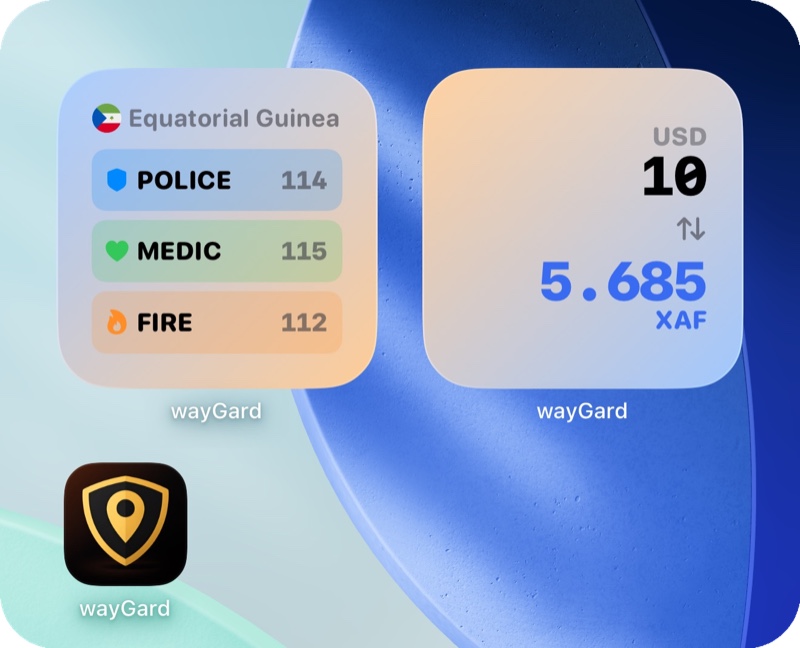
Equatorial Guinea emergency numbers: 113 (Police), 3101 (Ambulance), 115 (Fire Department).

Is Equatorial Guinea safe for travelers?
Crime ranges from petty theft and mugging to carjacking and armed robbery. Risks are greater in remote areas of towns, especially after dark, including around Malabo and Bata.
Do not travel by road after dark unless you really have to.
What health risks should travelers know about in Equatorial Guinea?
You must show a yellow fever vaccination certificate to enter. Malaria is a serious risk, and healthcare is so limited that serious cases usually need evacuation.
What laws should tourists know about in Equatorial Guinea?
Always carry your passport or residence permit, or a copy; failing to show ID when asked can lead to arrest. Photographing government or military buildings or airports is illegal.
How is transportation in Equatorial Guinea?
Taxi passengers have been robbed and assaulted in Malabo and Bata, especially at night. Use pre-booked or hotel-arranged taxis, never share one with strangers, and comply calmly at the frequent police and military roadblocks.
Road travel outside main urban areas needs more caution than visitors often expect.
What practical info do travelers need for Equatorial Guinea?
Cash is more dependable than widespread card acceptance. Do not assume easy access to working cards or ATMs everywhere.
What are the entry requirements for Equatorial Guinea?
Most nationalities need a visa: apply online and carry the printed e-visa letter. On arrival, make sure your visa is issued and your passport stamped, because travellers without proper stamps have been threatened with detention.
City Specific Info
Malabo
In Malabo, keep after-dark plans simple and use trusted transport instead of casual street movement.
Which embassies are in Equatorial Guinea?
Mostly in Malabo, Bata.
 Algeria
 Brazil
 China
 Côte d’Ivoire
 France
 Germany
 Ghana
 Guinea
 Holy See (Vatican City)
 India
 Morocco
 North Korea
 South Africa
 Spain
 United States
Frequently Asked Questions
What is the emergency number in Equatorial Guinea?
In Equatorial Guinea, you can reach police at 113, ambulance at 3101, fire services at 115. These numbers work from any phone, including mobile phones without a local SIM card.
Is Equatorial Guinea safe for tourists?
Crime ranges from petty theft and mugging to carjacking and armed robbery. Risks are greater in remote areas of towns, especially after dark, including around Malabo and Bata.
What health precautions should I take in Equatorial Guinea?
You must show a yellow fever vaccination certificate to enter. Malaria is a serious risk, and healthcare is so limited that serious cases usually need evacuation.
What laws should tourists know about in Equatorial Guinea?
Always carry your passport or residence permit, or a copy; failing to show ID when asked can lead to arrest. Photographing government or military buildings or airports is illegal.
Get wayGard for iOS
Get all of Equatorial Guinea's safety info offline.
