Algeria Travel Safety Guide
What are the emergency numbers in Algeria?
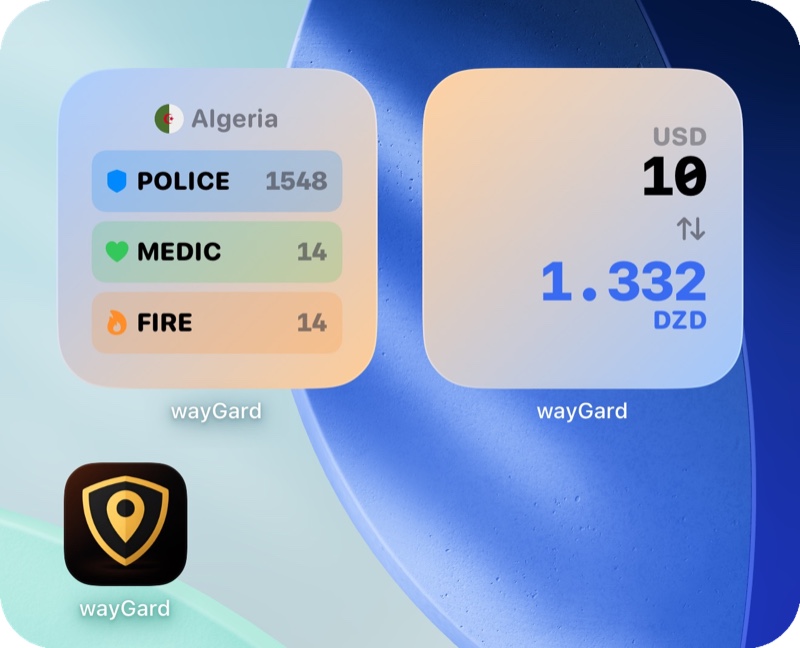
Algeria emergency numbers: 1548 (Police), 14 (Ambulance), 14 (Fire Department).

Is Algeria safe for travelers?
Pickpocketing, robbery, and petty theft happen in larger cities. Avoid unfamiliar suburbs after dark and keep valuables low-profile.
Border areas and some remote southern areas carry much higher security risk than the main northern city circuit. Check regional advice, not just the country page.
Terrorists are likely to try to attack, including at transport hubs, tourist sites and crowded places. The risk is highest near the borders, in the Sahara and in northern mountain areas. Expect a heavy security presence, which can feel intrusive, including police escorts.
What health risks should travelers know about in Algeria?
Heat and sun are real risks inland and in the south. Many visitors prefer bottled water instead of assuming tap water will suit them.
What laws should tourists know about in Algeria?
Drinking alcohol or being drunk in public is illegal. During Ramadan (next from February 2027), do not eat, drink or smoke in public in daytime, even in your car, and dress modestly.
Algeria has zero tolerance for drugs. Using or possessing even small amounts can mean prison, and the most serious offences can carry the death penalty.
Bringing a drone, binoculars, a telescope or some photography equipment into Algeria without prior authorisation is illegal. Check with Algerian customs before you travel.
Same-sex sexual acts are illegal in Algeria and can mean up to two years in prison. Avoid public displays of affection and be discreet on dating apps.
Most visitors need a visa, and overstaying can mean detention at the airport and up to 3 months in prison. Get proof of authenticity for any souvenir that looks antique, because smuggling antiquities carries a prison sentence.
How is transportation in Algeria?
Use taxis recommended by your hotel or a trusted contact rather than lifts from strangers. That matters more here than in easier Mediterranean destinations.
Driving can feel assertive and night travel on unfamiliar roads is a worse idea than in much of Europe.
The land border with Morocco is closed; do not try to cross it.
What should travelers know about money in Algeria?
Currency is Algerian dinar (DZD). Cash matters more than in Western Europe. Cards are not universal outside better hotels, larger supermarkets, and some urban businesses.
Be cautious with unofficial exchange offers and unsolicited help around ATMs. Use bank branches or hotel guidance rather than street exchange.
City Specific Info
Algiers
Use extra caution with petty theft in crowded city areas and avoid wandering into unfamiliar outer neighborhoods after dark.
Which embassies are in Algeria?
Mostly in Algiers, El Biar, Hydra.
 Angola
 Argentina
 Austria
 Bahrain
 Bangladesh
 Belgium
 Brazil
 Bulgaria
 Burkina Faso
 Canada
 Chile
 China
 Colombia
 Côte d’Ivoire
 Croatia
 Czechia
 Denmark
 Egypt
 Finland
 France
 Germany
 Ghana
 Greece
 Guinea
 Holy See (Vatican City)
 Hungary
 India
 Indonesia
 Italy
 Japan
 Madagascar
 Mexico
 Morocco
 Mozambique
 Netherlands
 Norway
 Palestine
 Peru
 Poland
 Portugal
 Romania
 Russia
 Saudi Arabia
 Serbia
 Slovenia
 South Africa
 South Korea
 Spain
 Sweden
 Switzerland
 Tunisia
 Turkey
 Ukraine
 United Arab Emirates
 United Kingdom
 United States
Frequently Asked Questions
What is the emergency number in Algeria?
In Algeria, you can reach police at 1548, ambulance at 14. These numbers work from any phone, including mobile phones without a local SIM card.
Is Algeria safe for tourists?
Pickpocketing, robbery, and petty theft happen in larger cities. Avoid unfamiliar suburbs after dark and keep valuables low-profile.
What currency is used in Algeria?
Currency is Algerian dinar (DZD). Cash matters more than in Western Europe. Cards are not universal outside better hotels, larger supermarkets, and some urban businesses.
What health precautions should I take in Algeria?
Heat and sun are real risks inland and in the south. Many visitors prefer bottled water instead of assuming tap water will suit them.
What laws should tourists know about in Algeria?
Drinking alcohol or being drunk in public is illegal. During Ramadan (next from February 2027), do not eat, drink or smoke in public in daytime, even in your car, and dress modestly.
Get wayGard for iOS
Get all of Algeria's safety info offline.
