
Czechia Travel Safety Guide
What are the emergency numbers in Czechia?
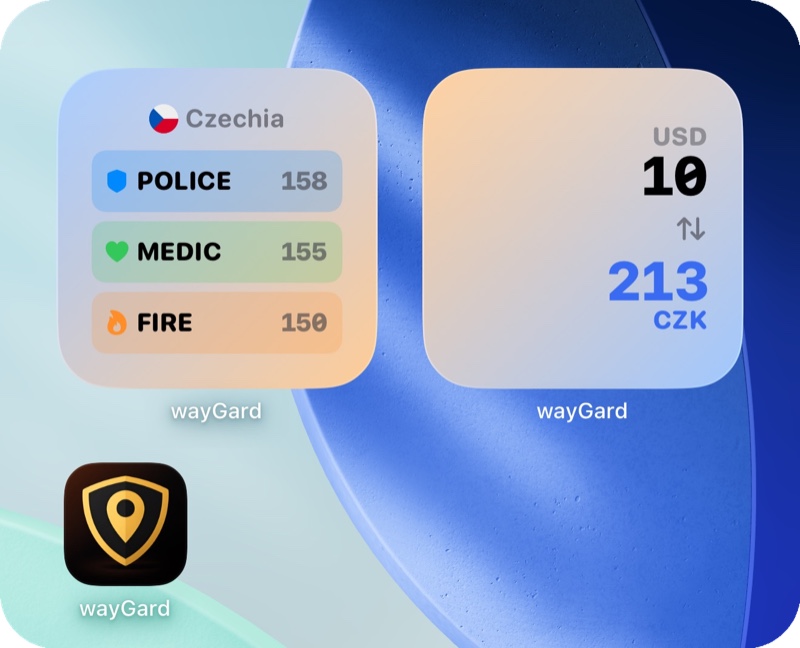
Czechia emergency numbers: 158 (Police), 155 (Ambulance), 150 (Fire Department).

Is Czechia safe for travelers?
Petty theft is a real issue in Prague, especially on airport routes, busy metro lines, trams to major sights, and crowded tourist streets.
What health risks should travelers know about in Czechia?
Tap water is generally safe to drink.
What laws should tourists know about in Czechia?
Since 2026, adults 21 and over may carry up to 25 g of cannabis, but there is no legal way to buy it: selling is still a crime, and Prague's 'cannabis' shops sell only low-THC products. Other drug offences can bring long prison sentences.
You must carry ID, so keep your passport on you. Fake plain-clothes police sometimes ask to see your cash and passport: real officers never ask for your money, so offer to go to a police station or call 112.
How is transportation in Czechia?
Prague public transport is the normal and safest way to get around. Validate tickets properly because inspectors do fine visitors.
For taxis, use established apps like Liftago or Bolt rather than hailing random cars in tourist zones.
The drink-driving limit is zero: police can breathalyse any driver on the spot, and any alcohol or drugs in your system can mean a fine of up to 50,000 CZK, losing your licence, or prison.
What should travelers know about money in Czechia?
Currency is Czech koruna (CZK). Cards are widely accepted in cities, hotels, and chain businesses, but cash still helps in smaller bars, kiosks, and some local shops.
Prague exchange offices often give poor rates, and street money changers hand out counterfeit notes. Use bank ATMs and check the rate before you change cash.
Tipping is moderate. Rounding up or around 5 to 10 percent is common when service is good.
What practical info do travelers need for Czechia?
Plug types are C and E, 230V.
What are the entry requirements for Czechia?
If you are not an EU, EEA or Swiss citizen, the EU Entry/Exit System takes your fingerprints and photo when you enter or leave the Schengen area. It replaces passport stamps and counts your 90 days in 180, so allow extra time at airport border checks.
City Specific Info
Prague
The highest concentration of tourist scams, pickpocketing, and bad exchange offers is in Prague. Build your plan around cards, official ATMs, and app booked taxis.
Which embassies are in Czechia?
Mostly in Prague, Brno, Dejvice.
 Afghanistan
 Albania
 Algeria
 Argentina
 Armenia
 Australia
 Austria
 Azerbaijan
 Belarus
 Belgium
 Bosnia and Herzegovina
 Brazil
 Bulgaria
 Canada
 Chile
 China
 Congo, Democratic Republic of the
 Croatia
 Cuba
 Cyprus
 Denmark
 Egypt
 Estonia
 Finland
 France
 Georgia
 Germany
 Ghana
 Greece
 Holy See (Vatican City)
 Hungary
 India
 Indonesia
 Iran
 Iraq
 Ireland
 Israel
 Italy
 Japan
 Kazakhstan
 Kosovo
 Kuwait
 Latvia
 Lebanon
 Libya
 Lithuania
 Luxembourg
 Malaysia
 Mali
 Mauritius
 Mexico
 Moldova, Republic of
 Mongolia
 Morocco
 Myanmar
 Netherlands
 Nigeria
 North Korea
 North Macedonia
 Norway
 Pakistan
 Palestine
 Peru
 Philippines
 Poland
 Portugal
 Romania
 Russia
 Saudi Arabia
 Serbia
 Slovakia
 Slovenia
 South Africa
 South Korea
 Spain
 Sweden
 Switzerland
 Syrian Arab Republic
 Taiwan
 Thailand
 Tunisia
 Turkey
 Ukraine
 United Arab Emirates
 United Kingdom
 United States
 Vietnam
 Yemen
Traveling Nearby?
Frequently Asked Questions
What is the emergency number in Czechia?
In Czechia, you can reach police at 158, ambulance at 155, fire services at 150. These numbers work from any phone, including mobile phones without a local SIM card.
Is Czechia safe for tourists?
Petty theft is a real issue in Prague, especially on airport routes, busy metro lines, trams to major sights, and crowded tourist streets.
What currency is used in Czechia?
Currency is Czech koruna (CZK). Cards are widely accepted in cities, hotels, and chain businesses, but cash still helps in smaller bars, kiosks, and some local shops.
What health precautions should I take in Czechia?
Tap water is generally safe to drink.
What laws should tourists know about in Czechia?
Since 2026, adults 21 and over may carry up to 25 g of cannabis, but there is no legal way to buy it: selling is still a crime, and Prague's 'cannabis' shops sell only low-THC products.
Get wayGard for iOS
Get all of Czechia's safety info offline.
