
Georgia Travel Safety Guide
What are the emergency numbers in Georgia?
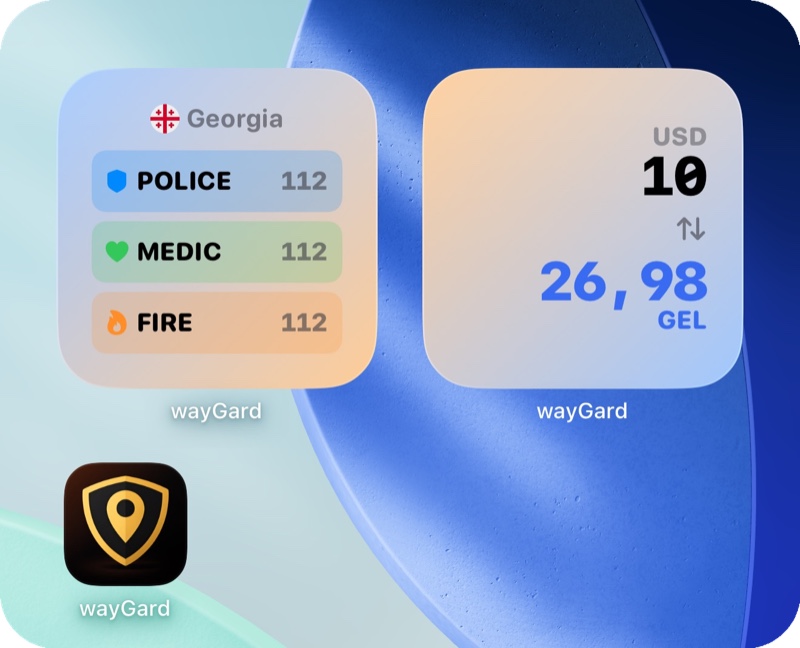
Georgia emergency numbers: 112 (Police), 112 (Ambulance), 112 (Fire Department).

Is Georgia safe for travelers?
Crime against tourists is mostly petty. Anti-government protests have continued since late 2024, centred on Parliament on Rustaveli Avenue in Tbilisi and busiest on Saturday nights. Keep away: foreigners linked to protests have been questioned on exit or refused re-entry. Unpaid fines, such as traffic fines, can also stop you leaving.
Tap water is generally safe in Tbilisi and many urban areas, but travelers sometimes switch to bottled water in smaller or mountainous locations.
Do not travel to Abkhazia or South Ossetia, and make only essential trips close to their boundary lines. The lines are often unmarked and away from roads, and crossing one by mistake can lead to arrest. Entering Georgia from Russia through either region is illegal and can mean heavy fines or up to 4 years in prison.
Drinks have been spiked in bars and clubs that strangers steer visitors to, so choose venues yourself and keep your drink in sight. LGBT+ travellers can face harassment and assault, so be discreet in public.
What health risks should travelers know about in Georgia?
Heat in lowland summer and altitude or weather swings in mountain regions can both catch travelers off guard.
What laws should tourists know about in Georgia?
Drug offences can bring long prison sentences and heavy fines, and airports scan transit baggage. Using cannabis is decriminalised, but buying or carrying it can still mean fines or prison.
Carry photo ID or a passport copy, especially around transport or police interaction.
Georgia's strict drug laws cover common medicines. Painkillers containing codeine are illegal, and foreigners carrying banned medicines have been detained, prosecuted and fined even with a valid prescription. Check each medicine's status before you pack it, and carry the prescription and original packaging.
How is transportation in Georgia?
Use booked taxis or mainstream ride apps in Tbilisi and Batumi rather than negotiating with random drivers. Airport and tourist-area taxi overcharging is a common annoyance.
Road behavior can be aggressive and mountain driving can be genuinely risky. Do not rent a car lightly just because distances look short.
What should travelers know about money in Georgia?
Currency is Georgian lari (GEL). Cards work well in Tbilisi, Batumi, and many tourist-facing businesses, but cash is still useful in smaller towns, mountain areas, and local markets.
Tipping is moderate. Service may already be included, so check the bill before adding extra.
What practical info do travelers need for Georgia?
Plug types are C and F, standard voltage is 220V.
Tbilisi and Batumi feel much easier and more app-friendly than remote mountain regions.
What are the entry requirements for Georgia?
Health and accident insurance is mandatory for all visitors. It must cover your whole stay for at least GEL 30,000, and airlines or border officers may ask for proof. Since 1 March 2026, foreigners need a work permit to work in Georgia, including remote work.
Which embassies are in Georgia?
Mostly in Tbilisi, Old Tbilisi, Tskhinvali.
 Austria
 Azerbaijan
 Belarus
 Brazil
 Bulgaria
 China
 Czechia
 Denmark
 Estonia
 France
 Germany
 Greece
 Holy See (Vatican City)
 Hungary
 Israel
 Italy
 Japan
 Latvia
 Lithuania
 Netherlands
 Norway
 Romania
 Russia
 Saudi Arabia
 Slovakia
 Sweden
 Switzerland
 Turkey
 Turkmenistan
 Ukraine
 United Kingdom
 United States
Frequently Asked Questions
What is the emergency number in Georgia?
In Georgia, you can reach police at 112, ambulance at 112. These numbers work from any phone, including mobile phones without a local SIM card.
Is Georgia safe for tourists?
Crime against tourists is mostly petty. Anti-government protests have continued since late 2024, centred on Parliament on Rustaveli Avenue in Tbilisi and busiest on Saturday nights.
What currency is used in Georgia?
Currency is Georgian lari (GEL). Cards work well in Tbilisi, Batumi, and many tourist-facing businesses, but cash is still useful in smaller towns, mountain areas, and local markets.
What health precautions should I take in Georgia?
Heat in lowland summer and altitude or weather swings in mountain regions can both catch travelers off guard.
What laws should tourists know about in Georgia?
Drug offences can bring long prison sentences and heavy fines, and airports scan transit baggage. Using cannabis is decriminalised, but buying or carrying it can still mean fines or prison.
Get wayGard for iOS
Get all of Georgia's safety info offline.
