Bulgaria Travel Safety Guide
What are the emergency numbers in Bulgaria?
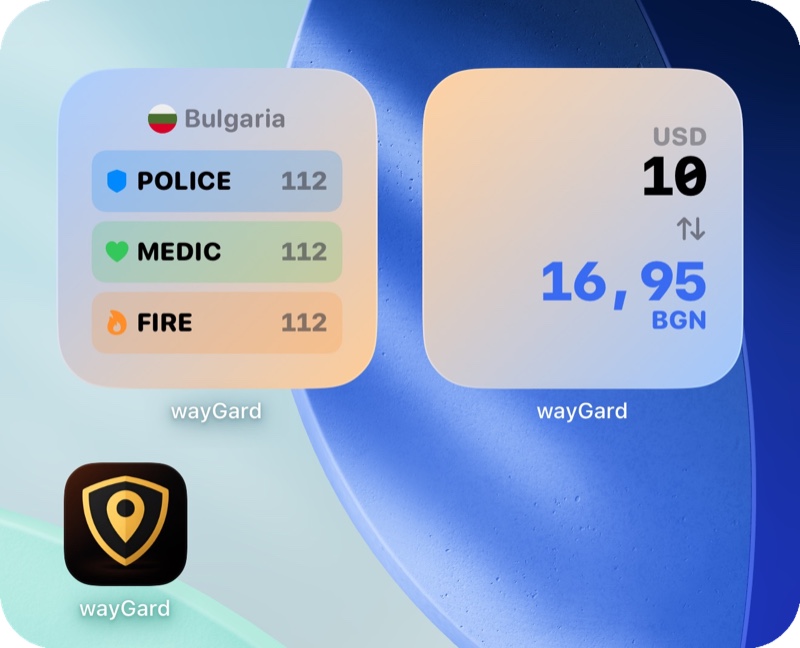
Bulgaria emergency numbers: 112 (Police), 112 (Ambulance), 112 (Fire Department).

Is Bulgaria safe for travelers?
Petty theft is the main issue for tourists, especially on buses, trains, major stations, airports, and busy resort areas.
Distraction thieves target tourists on buses (especially Nessebar to Sunny Beach) and at stations and airports. Lock your car even while you pay inside at a petrol station, where thefts have increased.
Tap water is generally safe in cities, but some travelers prefer bottled water at beach resorts or older rural properties.
Some 'gentlemen's clubs' in Sofia, Sunny Beach, Bansko and Borovets run up bills of hundreds of euros and threaten customers who refuse to pay. Ask your hotel for recommended bars, and never let your card out of your sight.
What laws should tourists know about in Bulgaria?
Drug laws are strict and cannabis is illegal. Do not assume a beach destination means relaxed enforcement.
Carry a passport copy or ID and avoid photographing military or security-sensitive sites.
How is transportation in Bulgaria?
Use licensed taxis or a hotel-booked ride, especially on arrival. Sofia is easier to navigate by app, metro, and official taxis than by negotiating on the street.
Driving can feel more aggressive than in western Europe, and pedestrian crossings are not always treated cautiously by drivers.
What should travelers know about money in Bulgaria?
Currency is the euro (EUR) since 1 January 2026; lev notes are no longer accepted in shops. Cards work well in Sofia and resorts, but carry some cash for small towns, beach kiosks and local buses.
Tipping is moderate. Around 10 percent in restaurants is normal if service was good.
What practical info do travelers need for Bulgaria?
Plug types are C and F, standard voltage is 230V.
Sunny Beach or ski-resort behavior can feel very different from Sofia, especially for scams, nightlife, and crowd behavior.
What are the entry requirements for Bulgaria?
If you're not an EU, EEA or Swiss citizen, your fingerprints and photo are taken for the EU Entry/Exit System at the border, so allow extra time. Bulgaria is fully in Schengen, so days here count toward your 90-days-in-180 limit across all Schengen countries combined.
Which embassies are in Bulgaria?
Mostly in Stolichna Municipality, Sofia.
 Afghanistan
 Albania
 Algeria
 Argentina
 Armenia
 Australia
 Austria
 Azerbaijan
 Belarus
 Belgium
 Bosnia and Herzegovina
 Brazil
 Cambodia
 China
 Croatia
 Cuba
 Cyprus
 Czechia
 Denmark
 Egypt
 Finland
 France
 Georgia
 Germany
 Greece
 Holy See (Vatican City)
 Hungary
 India
 Indonesia
 Iran
 Iraq
 Ireland
 Israel
 Italy
 Japan
 Kazakhstan
 Kosovo
 Kuwait
 Lebanon
 Libya
 Moldova, Republic of
 Mongolia
 Montenegro
 Morocco
 Netherlands
 North Korea
 North Macedonia
 Pakistan
 Palestine
 Poland
 Portugal
 Qatar
 Romania
 Russia
 Saudi Arabia
 Serbia
 Seychelles
 Slovakia
 Slovenia
 South Africa
 South Korea
 Spain
 Switzerland
 Syrian Arab Republic
 Turkey
 Ukraine
 United Arab Emirates
 United Kingdom
 United States
 Venezuela
 Vietnam
 Yemen
Frequently Asked Questions
What is the emergency number in Bulgaria?
In Bulgaria, you can reach police at 112, ambulance at 112. These numbers work from any phone, including mobile phones without a local SIM card.
Is Bulgaria safe for tourists?
Petty theft is the main issue for tourists, especially on buses, trains, major stations, airports, and busy resort areas.
What currency is used in Bulgaria?
Currency is the euro (EUR) since 1 January 2026; lev notes are no longer accepted in shops. Cards work well in Sofia and resorts, but carry some cash for small towns, beach kiosks and local buses.
What laws should tourists know about in Bulgaria?
Drug laws are strict and cannabis is illegal. Do not assume a beach destination means relaxed enforcement.
Get wayGard for iOS
Get all of Bulgaria's safety info offline.
