Slovakia Travel Safety Guide
What are the emergency numbers in Slovakia?
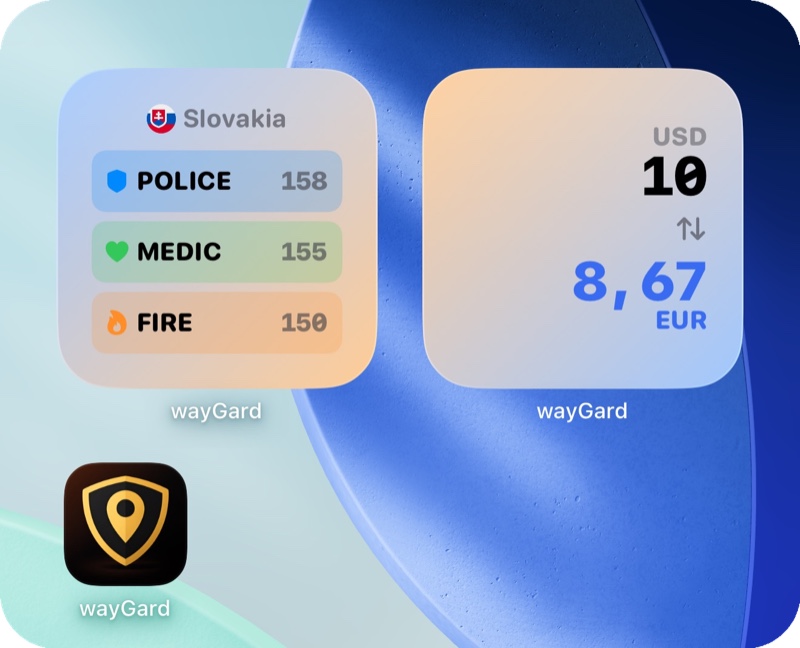
Slovakia emergency numbers: 158 (Police), 155 (Ambulance), 150 (Fire Department).

Is Slovakia safe for travelers?
Petty theft is the main tourist issue, especially in Bratislava around bars, tourist areas, and seasonal markets.
Tap water is safe to drink. Food hygiene standards are broadly in line with the rest of central Europe.
What laws should tourists know about in Slovakia?
Always carry your passport (or EU national ID card): police can fine you up to €1,600 if you can't show ID.
Drinking in the street is banned in Bratislava Old Town, and rowdy groups get fined or arrested, especially between 10pm and 6am. Check drink prices before ordering, because some Old Town clubs overcharge and drinks get spiked.
How is transportation in Slovakia?
Public transport is the easiest way around Bratislava and other cities. For taxis, use an app booked or clearly marked licensed car rather than a random street approach late at night.
Traffic rules are mostly familiar and pedestrian crossings are generally respected better than in southern Europe, but watch for trams and fast turning cars in cities.
Buy the electronic motorway vignette (e-známka) at eznamka.sk or a petrol station before using any motorway. The drink-driving limit is zero.
What should travelers know about money in Slovakia?
Currency is euro (EUR). Cards and contactless payments work widely, so you usually only need a small cash backup.
Petty theft is a more realistic issue than payment fraud. Do not leave your passport as a deposit and keep your card in sight when paying in bars or tourist areas.
Tipping is modest. Rounding up or leaving around 5 to 10 percent is normal if service was good.
What practical info do travelers need for Slovakia?
Plug types are C and E, standard voltage is 230V. Bratislava is a simple short break city, while mountain areas need more weather planning than the capital.
Brown bears live in the Tatras and other forests, and attacks happen occasionally, so stay on marked trails and make noise. Mountain rescue can bill you up to €1,000, so make sure your insurance covers it.
What are the entry requirements for Slovakia?
Non-EU visitors are now registered at Schengen borders with fingerprints and a photo under the EU Entry/Exit System, so allow extra time at your first crossing.
Which embassies are in Slovakia?
Mostly in Bratislava, Bratislava I, Košice.
 Albania
 Austria
 Belarus
 Brazil
 Bulgaria
 China
 Croatia
 Cyprus
 Czechia
 Egypt
 France
 Georgia
 Germany
 Greece
 Holy See (Vatican City)
 Hungary
 India
 Indonesia
 Ireland
 Israel
 Italy
 Japan
 Kuwait
 Netherlands
 Norway
 Palestine
 Poland
 Portugal
 Romania
 Serbia
 Slovenia
 Spain
 Switzerland
 Taiwan
 Turkey
 Ukraine
 United Kingdom
 United States
Frequently Asked Questions
What is the emergency number in Slovakia?
In Slovakia, you can reach police at 158, ambulance at 155, fire services at 150. These numbers work from any phone, including mobile phones without a local SIM card.
Is Slovakia safe for tourists?
Petty theft is the main tourist issue, especially in Bratislava around bars, tourist areas, and seasonal markets.
What currency is used in Slovakia?
Currency is euro (EUR). Cards and contactless payments work widely, so you usually only need a small cash backup.
What laws should tourists know about in Slovakia?
Always carry your passport (or EU national ID card): police can fine you up to €1,600 if you can't show ID.
Get wayGard for iOS
Get all of Slovakia's safety info offline.
