Austria Travel Safety Guide
What are the emergency numbers in Austria?
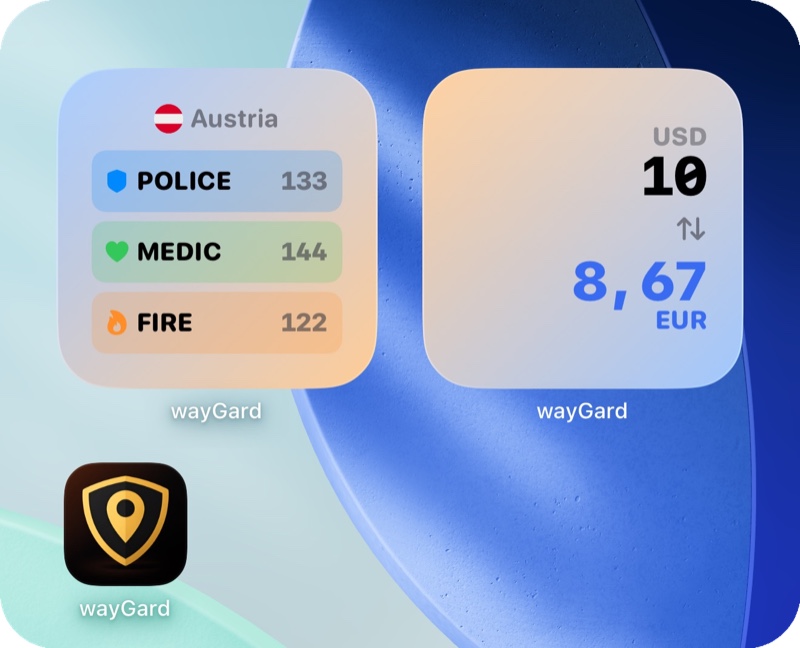
Austria emergency numbers: 133 (Police), 144 (Ambulance), 122 (Fire Department).

Is Austria safe for travelers?
Crime is generally low, but pickpocketing happens in big-city centers and parks after dark.
Tap water is generally safe and often excellent.
Terrorist attacks are likely, as in Vienna in 2020 and Villach in 2025. Stay alert at stations, events, nightlife and places of worship, and follow police instructions.
What health risks should travelers know about in Austria?
Altitude, cold and winter-sports injuries are the main risks. If you hike or camp from spring to autumn, check yourself for ticks and consider the tick-borne encephalitis vaccine.
What laws should tourists know about in Austria?
Demonstrations can happen with little warning in cities. Avoid them rather than watching from nearby.
Mountain, ski, and avalanche safety is a real issue. Do not treat marked closures as optional.
Covering your face in public, including with a niqab or burqa, is generally illegal and can mean a fine of up to €150.
How is transportation in Austria?
Public transport and trains are the easiest default. In Vienna especially, transit is easier than driving.
For mountain or winter travel, road and weather conditions matter much more than city traffic norms.
Pedestrian crossings are generally respected, but tram awareness matters in city centers.
Motorways and expressways need a toll vignette, either a sticker or a digital one, bought before you drive on them. On public transport, validate your ticket before you travel or risk an on-the-spot fine of €100 to €500.
What should travelers know about money in Austria?
Currency is euro (EUR). Cards work widely, though cash still helps in mountain huts, smaller businesses, and some rural areas.
Petty theft exists in big city centers and transport hubs, but everyday money scams are less of a problem than in some other destinations.
Tipping is moderate and usually means rounding up or adding a small amount.
What practical info do travelers need for Austria?
Plug types are C and F. Voltage is 230V.
Useful apps include OBB for trains, local transit apps, and Google Maps.
Vienna is extremely easy by transit, while alpine areas need a more weather-aware mindset.
What are the entry requirements for Austria?
If you are not an EU, EEA or Swiss citizen, the EU Entry/Exit System takes your fingerprints and photo when you enter or leave the Schengen area. It replaces passport stamps and counts your 90 days in 180, so allow extra time at border checks.
Which embassies are in Austria?
Mostly in Vienna, Salzburg, Innere Stadt.
 Afghanistan
 Albania
 Algeria
 Andorra
 Angola
 Argentina
 Armenia
 Australia
 Azerbaijan
 Bangladesh
 Belarus
 Belgium
 Bolivia
 Bosnia and Herzegovina
 Brazil
 Bulgaria
 Burkina Faso
 Canada
 Chile
 China
 Colombia
 Costa Rica
 Côte d’Ivoire
 Croatia
 Cuba
 Cyprus
 Czechia
 Denmark
 Dominican Republic
 Ecuador
 Egypt
 El Salvador
 Estonia
 Finland
 France
 Georgia
 Germany
 Ghana
 Greece
 Guatemala
 Holy See (Vatican City)
 Honduras
 Hungary
 Iceland
 India
 Indonesia
 Iran
 Iraq
 Ireland
 Israel
 Italy
 Japan
 Jordan
 Kazakhstan
 Kenya
 Kosovo
 Kuwait
 Kyrgyzstan
 Laos
 Latvia
 Lebanon
 Libya
 Liechtenstein
 Lithuania
 Luxembourg
 Malaysia
 Malta
 Mexico
 Moldova, Republic of
 Mongolia
 Montenegro
 Morocco
 Myanmar
 Namibia
 Nepal
 Netherlands
 New Zealand
 Nicaragua
 Nigeria
 North Korea
 North Macedonia
 Norway
 Oman
 Pakistan
 Panama
 Paraguay
 Peru
 Philippines
 Poland
 Portugal
 Qatar
 Romania
 Russia
 San Marino
 Saudi Arabia
 Serbia
 Slovakia
 Slovenia
 South Africa
 South Korea
 Spain
 Sri Lanka
 Sudan
 Sweden
 Switzerland
 Syrian Arab Republic
 Taiwan
 Tajikistan
 Thailand
 Tunisia
 Turkey
 Turkmenistan
 Ukraine
 United Arab Emirates
 United Kingdom
 United States
 Uruguay
 Uzbekistan
 Venezuela
 Vietnam
 Yemen
Traveling Nearby?
Related Articles
Frequently Asked Questions
What is the emergency number in Austria?
In Austria, you can reach police at 133, ambulance at 144, fire services at 122. These numbers work from any phone, including mobile phones without a local SIM card.
Is Austria safe for tourists?
Crime is generally low, but pickpocketing happens in big-city centers and parks after dark.
What currency is used in Austria?
Currency is euro (EUR). Cards work widely, though cash still helps in mountain huts, smaller businesses, and some rural areas.
What health precautions should I take in Austria?
Altitude, cold and winter-sports injuries are the main risks. If you hike or camp from spring to autumn, check yourself for ticks and consider the tick-borne encephalitis vaccine.
What laws should tourists know about in Austria?
Demonstrations can happen with little warning in cities. Avoid them rather than watching from nearby.
Get wayGard for iOS
Get all of Austria's safety info offline.
