Nepal Travel Safety Guide
What are the emergency numbers in Nepal?
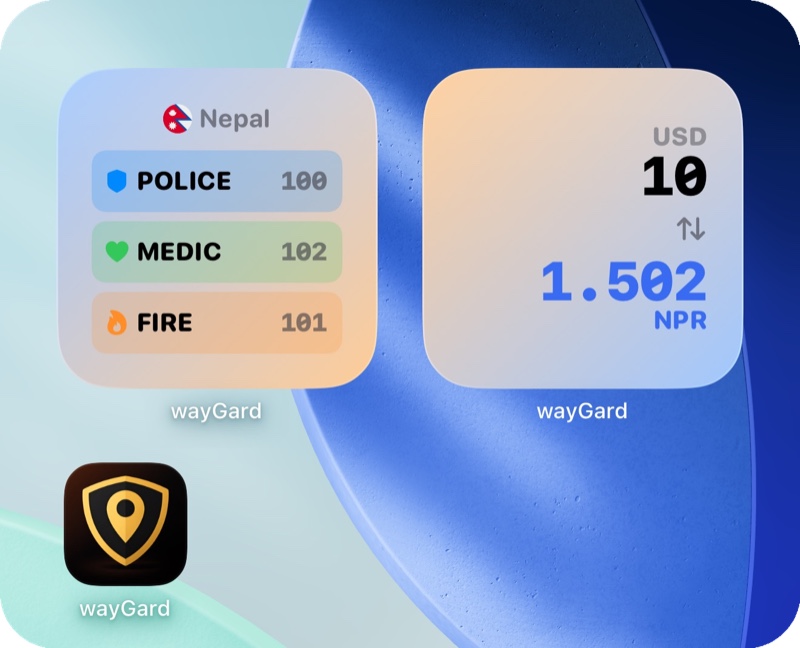
Nepal emergency numbers: 100 (Police), 102 (Ambulance), 101 (Fire Department).

Is Nepal safe for travelers?
Serious violent crime is relatively low, but pickpocketing and bag snatching happen in airports, buses, and tourist areas such as Thamel.
Women have been sexually assaulted in tourist areas, especially after dark. Drink spiking is also a risk.
Protests, strikes, and curfews can disrupt city movement and intercity travel with little warning.
Some cut-price trekking guides rush clients up too fast and then call in costly helicopter evacuations for a kickback. Avoid deals that look too cheap, use a reputable agency, and insist on a proper acclimatisation schedule.
What health risks should travelers know about in Nepal?
Do not rely on tap water. Use bottled or properly filtered water.
Altitude is one of the biggest Nepal specific risks. Above roughly 3000m, altitude sickness, sudden weather shifts, sun exposure, avalanches, and landslides become real planning issues.
Mosquito borne disease is more relevant in lower areas than at high altitude.
There is no national public ambulance service, only private providers in the main cities. In an emergency, call the nearest hospital or the English-speaking tourist police on 1144. Make sure your insurance covers mountain rescue and helicopter evacuation at the altitudes you plan to reach.
What laws should tourists know about in Nepal?
Even small amounts of cannabis can mean years in prison after a long, costly legal process. Skincare products and vape refills containing CBD count as drugs too, so leave them at home.
Trekking alone is banned in national parks and protected areas. You must hire a licensed guide or porter and carry the right trekking permits and TIMS card, or risk fines and removal.
How is transportation in Nepal?
Domestic flights, mountain weather, roadblocks, and landslides can all disrupt plans. Build more buffer time into Nepal than you would in flatter, better connected countries.
Use hotels or trusted contacts to arrange taxis and transfers when possible, especially late at night.
What should travelers know about money in Nepal?
Currency is Nepalese rupee (NPR). Cash is still very important, especially outside major hotels and established tourist businesses.
Cards work in more places in Kathmandu and major trekking hubs, but outages, machine problems, and fees are common enough that backup cash matters.
Tipping is expected in trekking and guide contexts more than in everyday city spending.
What practical info do travelers need for Nepal?
Plug types are C, D, and M, 230V.
City Specific Info
Kathmandu
Thamel is convenient but also one of the main concentrations of pickpocketing, drink spiking, and sexual assault risk after dark.
Which embassies are in Nepal?
Mostly in Kathmandu, Lalitpur, Baluwatar.
 Australia
 Bangladesh
 Brazil
 China
 Finland
 France
 Germany
 Holy See (Vatican City)
 India
 Israel
 Japan
 Netherlands
 Norway
 Russia
 Saudi Arabia
 Switzerland
 United Arab Emirates
 United Kingdom
 United States
Traveling Nearby?
Related Articles
Frequently Asked Questions
What is the emergency number in Nepal?
In Nepal, you can reach police at 100, ambulance at 102, fire services at 101. These numbers work from any phone, including mobile phones without a local SIM card.
Is Nepal safe for tourists?
Serious violent crime is relatively low, but pickpocketing and bag snatching happen in airports, buses, and tourist areas such as Thamel.
What currency is used in Nepal?
Currency is Nepalese rupee (NPR). Cash is still very important, especially outside major hotels and established tourist businesses.
What health precautions should I take in Nepal?
Do not rely on tap water. Use bottled or properly filtered water.
What laws should tourists know about in Nepal?
Even small amounts of cannabis can mean years in prison after a long, costly legal process. Skincare products and vape refills containing CBD count as drugs too, so leave them at home.
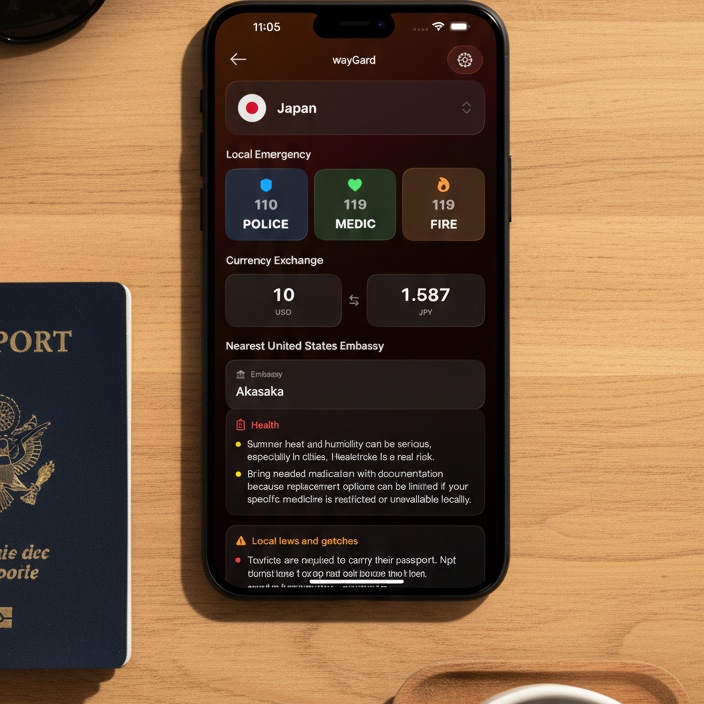
Get wayGard for iOS
Get all of Nepal's safety info offline.
