Netherlands Travel Safety Guide
What are the emergency numbers in Netherlands?
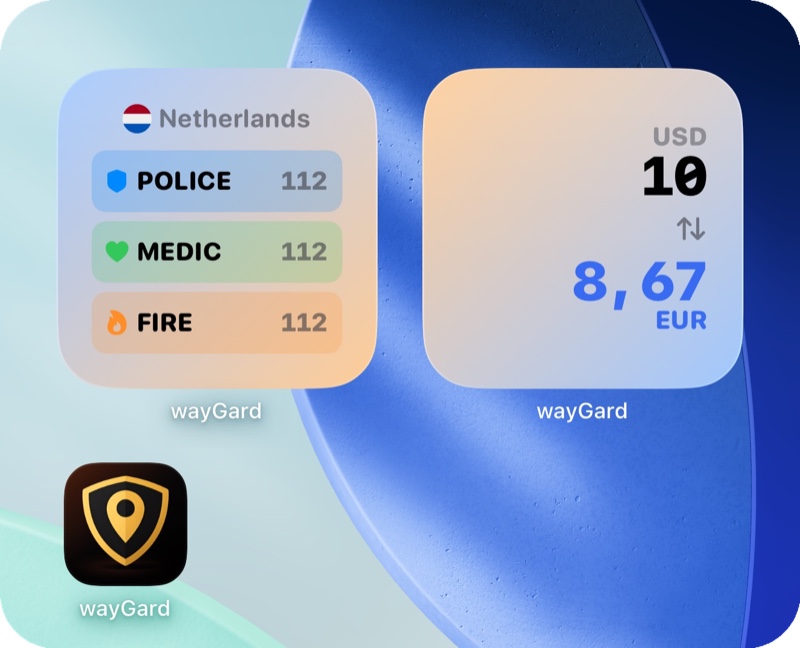
Netherlands emergency numbers: 112 (Police), 112 (Ambulance), 112 (Fire Department).

Is Netherlands safe for travelers?
Pickpocket gangs work the trains and trams between Schiphol and Amsterdam Centraal. Fake plain-clothes 'police' may ask to check your cash or cards; real officers rarely do this, so refuse and call 0900 8844 to check.
Tap water is generally safe to drink.
Terrorists are likely to try to carry out attacks in the Netherlands, including in places popular with visitors. Stay alert in crowded places and follow police instructions.
What health risks should travelers know about in Netherlands?
Weather changes fast, and cycling or walking in wind and rain can be more tiring than expected.
What laws should tourists know about in Netherlands?
Cannabis is tolerated only inside licensed coffeeshops, and many areas, including Amsterdam's red-light district, ban smoking it in the street. People drown in canals every year after drinking or smoking, so keep away from the edge.
Some tourists get in trouble by confusing bike lanes, public-order rules, and nightlife tolerance with total freedom.
Anyone aged 14 or older must be able to show ID if police ask; non-EU visitors need their passport, while EU citizens can use a national ID card. Not having it can bring a €100 fine.
How is transportation in Netherlands?
Public transport is the easiest default, especially trains, trams, and metros. Cycling is normal, but visitors should not rent bikes casually if they are not confident in bike traffic.
Road crossing is generally orderly, but bike lanes can be more dangerous than car lanes for distracted tourists.
Exact cash is usually not the issue. Payment acceptance type matters more than carrying coins.
What should travelers know about money in Netherlands?
Currency is euro (EUR). Cards work very widely, but some smaller places may prefer debit-based payment or set minimums.
If you are carrying or moving large amounts of cash, note the declaration requirement for 10,000 euros or more when entering or leaving.
Tipping is modest. Rounding up or leaving a small amount is normal.
What practical info do travelers need for Netherlands?
Plug types are C and F. Voltage is 230V.
Useful apps include NS for trains, 9292 for journey planning, Google Maps, and Uber or local taxi options where supported.
Amsterdam has a different tourist risk profile from most of the country, especially for nightlife and petty theft.
What are the entry requirements for Netherlands?
The Netherlands is in Schengen: non-EU visitors on short stays are registered in the EU Entry/Exit System with fingerprints and a photo. Allow extra time at Schiphol and other borders, on arrival and departure.
City Specific Info
Amsterdam
Bikes, trams, tourists, nightlife, and canal edges make central Amsterdam more accident-prone than first-time visitors expect.
Which embassies are in Netherlands?
Mostly in The Hague, Amsterdam, 's-Hertogenbosch.
 Afghanistan
 Albania
 Algeria
 Angola
 Argentina
 Armenia
 Australia
 Austria
 Azerbaijan
 Bangladesh
 Belarus
 Belgium
 Bolivia
 Bosnia and Herzegovina
 Brazil
 Bulgaria
 Burundi
 Cameroon
 Canada
 Chile
 China
 Colombia
 Costa Rica
 Côte d’Ivoire
 Croatia
 Cuba
 Cyprus
 Czechia
 Denmark
 Dominican Republic
 Ecuador
 Egypt
 El Salvador
 Eritrea
 Estonia
 Ethiopia
 Finland
 France
 Georgia
 Germany
 Ghana
 Greece
 Guatemala
 Holy See (Vatican City)
 Hungary
 India
 Indonesia
 Iran
 Iraq
 Ireland
 Israel
 Italy
 Japan
 Jordan
 Kazakhstan
 Kenya
 Kosovo
 Kuwait
 Latvia
 Lebanon
 Libya
 Lithuania
 Luxembourg
 Malaysia
 Malta
 Mexico
 Moldova, Republic of
 Morocco
 New Zealand
 Nicaragua
 Nigeria
 North Macedonia
 Norway
 Oman
 Pakistan
 Palestine
 Panama
 Peru
 Philippines
 Poland
 Portugal
 Qatar
 Romania
 Russia
 Rwanda
 Saudi Arabia
 Senegal
 Serbia
 Slovakia
 Slovenia
 South Africa
 South Korea
 Spain
 Sri Lanka
 Sudan
 Suriname
 Sweden
 Switzerland
 Taiwan
 Tanzania
 Thailand
 Tunisia
 Turkey
 Ukraine
 United Arab Emirates
 United Kingdom
 United States
 Uruguay
 Venezuela
 Vietnam
 Yemen
Traveling Nearby?
Frequently Asked Questions
What is the emergency number in Netherlands?
In Netherlands, you can reach police at 112, ambulance at 112. These numbers work from any phone, including mobile phones without a local SIM card.
Is Netherlands safe for tourists?
Pickpocket gangs work the trains and trams between Schiphol and Amsterdam Centraal.
What currency is used in Netherlands?
Currency is euro (EUR). Cards work very widely, but some smaller places may prefer debit-based payment or set minimums.
What health precautions should I take in Netherlands?
Weather changes fast, and cycling or walking in wind and rain can be more tiring than expected.
What laws should tourists know about in Netherlands?
Cannabis is tolerated only inside licensed coffeeshops, and many areas, including Amsterdam's red-light district, ban smoking it in the street.
Get wayGard for iOS
Get all of Netherlands's safety info offline.
