
Jordan Travel Safety Guide
What are the emergency numbers in Jordan?
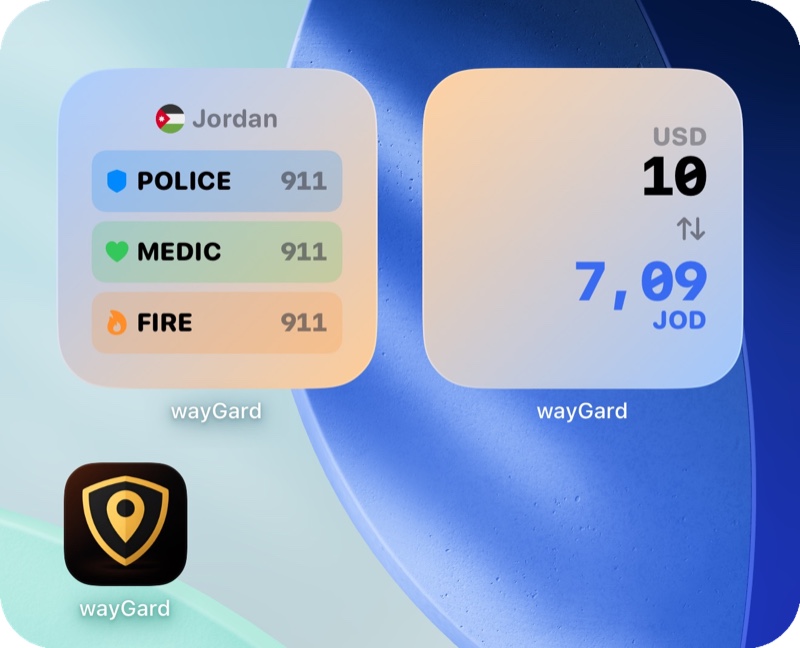
Jordan emergency numbers: 911 (Police), 911 (Ambulance), 911 (Fire Department).

Is Jordan safe for travelers?
Crime is generally low, but pickpocketing, bag snatching, and theft from cars still happen. Street begging can be aggressive in areas frequented by foreigners.
Protests sometimes happen in Amman and other cities. Avoid demonstrations and follow local authority advice.
Do not go within 3km of the Syrian border. The army clashes with armed smugglers there, and the situation can change without warning. Landmines may lie near borders and military sites, and fences and warning signs are not always intact.
Regional conflict involving Iran has brought missile and drone interceptions over Jordan in 2026, and airports and airspace can close at short notice. If sirens sound, stay indoors away from windows, and never touch drone or missile fragments.
Terrorists are likely to try to attack places foreigners visit, such as hotels, malls, restaurants, tourist sites and border crossings, and Iran-aligned militias have claimed attacks in Jordan. Stay alert in crowded places and follow security instructions.
From November to March, heavy rain can send flash floods through Jordan's wadis and canyons, including around Petra and the Dead Sea, with little warning. Check the forecast, keep out of wadis for at least a day after heavy rain, and if water rises, climb to high ground and never try to cross it.
What health risks should travelers know about in Jordan?
Tap water quality varies and many visitors prefer bottled or filtered water.
Heat and sun are bigger day to day risks than street crime in many itineraries.
What laws should tourists know about in Jordan?
Carry ID because police and security checkpoints can ask for it.
It is illegal to drink alcohol on the street, even though drinking is allowed in bars, hotels, clubs, and private homes.
Drug laws are strict, including for cannabis.
Being inside Petra outside opening hours can lead to arrest, and tourists have been locked in overnight. Trying to convert Muslims to another religion is illegal and can mean prison.
How is transportation in Jordan?
For city rides, booked taxis or Careem are the safer default where available. Do not assume street taxis will always use the meter without being asked.
Crossing roads can feel riskier than in countries where pedestrian priority is strongly enforced.
What should travelers know about money in Jordan?
Currency is Jordanian dinar (JOD). Cards work in many hotels, malls, and city restaurants, but cash is still important in smaller shops, taxis, and more local settings.
Tipping is moderate. Small tips and rounding up are normal rather than aggressive US style tipping.
What practical info do travelers need for Jordan?
Plug types commonly include C, D, F, G, and J, 230V.
Amman feels more liberal and easier for foreign visitors than smaller towns, but local norms still matter.
What are the entry requirements for Jordan?
Many nationalities can buy a visa on arrival at airports for 40 JOD. If you stay at least 3 nights, a Jordan Pass bought on the official website covers the visa fee and entry to Petra and other major sites.
City Specific Info
Amman
Amman is the most likely place for protest disruption and the easiest place to rely on app booked rides and cards.
Which embassies are in Jordan?
Mostly in Amman.
 Afghanistan
 Algeria
 Australia
 Austria
 Azerbaijan
 Bahrain
 Bangladesh
 Belgium
 Bosnia and Herzegovina
 Brazil
 Bulgaria
 Canada
 Chile
 China
 Cyprus
 Czechia
 Egypt
 France
 Germany
 Greece
 Holy See (Vatican City)
 India
 Indonesia
 Ireland
 Israel
 Italy
 Japan
 Mexico
 Morocco
 Netherlands
 Norway
 Palestine
 Panama
 Philippines
 Poland
 Romania
 Russia
 Saudi Arabia
 Slovenia
 South Africa
 Spain
 Sweden
 Switzerland
 Taiwan
 Tunisia
 Turkey
 Ukraine
 United Arab Emirates
 United Kingdom
 United States
Traveling Nearby?
 Iraq
Frequently Asked Questions
What is the emergency number in Jordan?
In Jordan, you can reach police at 911, ambulance at 911. These numbers work from any phone, including mobile phones without a local SIM card.
Is Jordan safe for tourists?
Crime is generally low, but pickpocketing, bag snatching, and theft from cars still happen. Street begging can be aggressive in areas frequented by foreigners.
What currency is used in Jordan?
Currency is Jordanian dinar (JOD). Cards work in many hotels, malls, and city restaurants, but cash is still important in smaller shops, taxis, and more local settings.
What health precautions should I take in Jordan?
Tap water quality varies and many visitors prefer bottled or filtered water.
What laws should tourists know about in Jordan?
Carry ID because police and security checkpoints can ask for it.
Get wayGard for iOS
Get all of Jordan's safety info offline.
