South Africa Travel Safety Guide
What are the emergency numbers in South Africa?
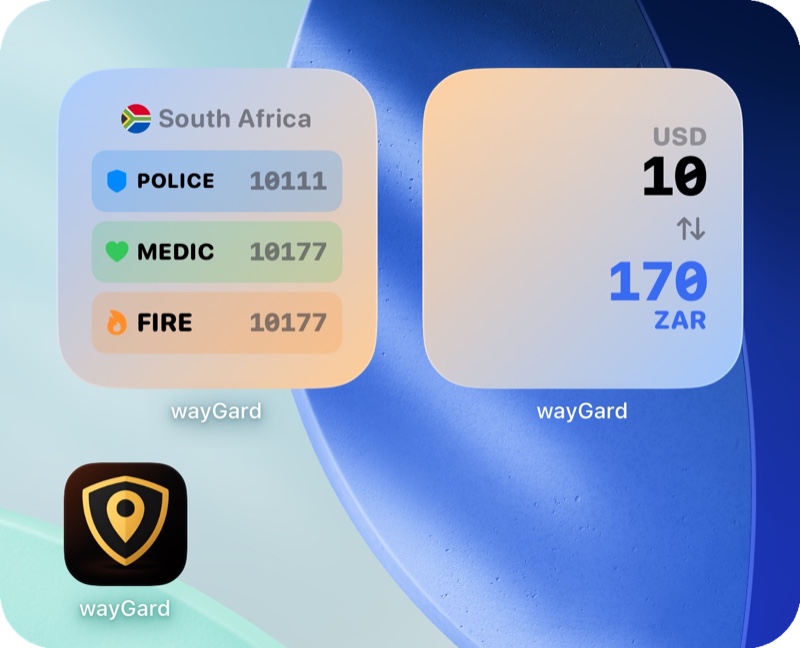
South Africa emergency numbers: 10111 (Police), 10177 (Ambulance), 10177 (Fire Department).

Is South Africa safe for travelers?
Violent crime, carjacking, and theft are major practical issues. Avoid displaying valuables, avoid quiet areas on foot, and do not stop casually in unfamiliar places at night.
Tap water is generally safe in many urban areas, but local conditions can vary and outages can affect confidence. Check locally if you are outside the main city core.
Protests are frequent and can turn violent fast, especially in city centres and townships. Never try to pass a protester roadblock. Xenophobic marches and attacks have increased, mainly targeting people seen as African immigrants.
Park authorities advise against using Kruger's Numbi Gate after protests and violent incidents on the R538 approach road, so use another gate. For Addo Elephant Park, take the N2 via Colchester rather than the R335 through Motherwell, where vehicle hijackings occur.
What health risks should travelers know about in South Africa?
Malaria is a risk in Kruger National Park, the Limpopo and Mpumalanga lowveld and far northern KwaZulu-Natal, mainly from September to May. Get antimalarial advice before a safari there; Cape Town, the Garden Route and Johannesburg are malaria-free.
What laws should tourists know about in South Africa?
Keep doors locked while driving and avoid visibly using phones at traffic lights in high-risk areas. This is more of a survival habit than a formal law, but it matters.
Carry identification and follow police instructions carefully at checkpoints or traffic stops.
Private personal use of cannabis is legal, but selling it or taking it across borders or through airports is not, and transit bags are scanned. Other drugs bring long prison sentences.
How is transportation in South Africa?
Do not assume walking or normal public transport is the safest default in major cities. App-booked rides or arranged transport are usually the safer choice.
Ride-hailing apps are practical in cities, but wait somewhere safe indoors until the car arrives and check the plate and driver match the app. Clashes between metered-taxi and app drivers have turned deadly around airports and Gautrain stations.
Criminals throw spikes, rocks or glass onto roads to force cars to stop, and pose as police in unmarked cars with blue lights. If a stop feels wrong, keep driving to a police station or busy petrol station, and don't let GPS route you off main roads.
What should travelers know about money in South Africa?
Currency is South African rand (ZAR). Cards work widely in urban areas, but carrying some cash is still useful in smaller settings.
ATM crime, card scams, and distraction theft are real risks. Use ATMs inside malls or bank premises rather than exposed street machines.
Tipping is expected in restaurants and for some service roles. Around 10 percent is common.
What practical info do travelers need for South Africa?
Plug type is mainly M, with some type N or C seen in modern settings. Voltage is usually 230V.
Cape Town, Johannesburg, Durban, the safari regions and the Garden Route each have different risks and logistics, so check the advice for each stop.
What are the entry requirements for South Africa?
Since 1 July 2026, everyone entering or leaving South Africa by air, land, sea or rail must submit a SARS online traveller declaration, on the web portal or the SATMS app, within 24 hours before departure. Each person needs one, children included; airside transit passengers are exempt.
City Specific Info
Johannesburg
Robbers have followed travellers from OR Tambo airport and held them up at gunpoint at their destination. Have your hotel or tour operator meet you, or take the Gautrain, stay on main roads, and don't walk to or from Gautrain stations or around the centre after dark.
Cape Town
Hikers have been violently robbed on Table Mountain, Lion's Head and Signal Hill. Stick to busy marked trails in groups of 4 or more and avoid quiet areas, especially early mornings and evenings. Driving from the airport, stay on the N2, M3 and the exit-16 approach road, not the R300 or Borcherd's Quarry Road, whatever GPS says.
Which embassies are in South Africa?
Mostly in Pretoria, Cape Town, Johannesburg.
 Algeria
 Angola
 Argentina
 Australia
 Austria
 Azerbaijan
 Bangladesh
 Belarus
 Belgium
 Benin
 Botswana
 Brazil
 Bulgaria
 Burkina Faso
 Burundi
 Cameroon
 Canada
 Central African Republic
 Chad
 Chile
 China
 Colombia
 Comoros
 Congo, Democratic Republic of the
 Côte d’Ivoire
 Croatia
 Cuba
 Cyprus
 Czechia
 Denmark
 Dominican Republic
 Ecuador
 Egypt
 Equatorial Guinea
 Eritrea
 Eswatini
 Ethiopia
 Finland
 France
 Gabon
 Gambia
 Georgia
 Germany
 Ghana
 Greece
 Guinea
 Guyana
 Haiti
 Holy See (Vatican City)
 Hungary
 India
 Indonesia
 Iran
 Iraq
 Ireland
 Israel
 Italy
 Jamaica
 Japan
 Jordan
 Kazakhstan
 Kenya
 Kuwait
 Lebanon
 Lesotho
 Liberia
 Libya
 Lithuania
 Madagascar
 Malawi
 Malaysia
 Mali
 Mauritania
 Mauritius
 Mexico
 Morocco
 Mozambique
 Myanmar
 Namibia
 Nepal
 Netherlands
 New Zealand
 Niger
 Nigeria
 North Korea
 Norway
 Oman
 Pakistan
 Palestine
 Panama
 Paraguay
 Peru
 Philippines
 Poland
 Portugal
 Qatar
 Republic of the Congo
 Romania
 Russia
 Rwanda
 Saudi Arabia
 Senegal
 Serbia
 Seychelles
 Singapore
 Slovakia
 Somalia
 South Korea
 South Sudan
 Spain
 Sri Lanka
 Sudan
 Suriname
 Sweden
 Switzerland
 Syrian Arab Republic
 Taiwan
 Tanzania
 Thailand
 Timor-Leste
 Togo
 Trinidad and Tobago
 Tunisia
 Turkey
 Uganda
 Ukraine
 United Arab Emirates
 United Kingdom
 United States
 Uruguay
 Venezuela
 Vietnam
 Yemen
 Zambia
 Zimbabwe
Traveling Nearby?
Frequently Asked Questions
What is the emergency number in South Africa?
In South Africa, you can reach police at 10111, ambulance at 10177. These numbers work from any phone, including mobile phones without a local SIM card.
Is South Africa safe for tourists?
Violent crime, carjacking, and theft are major practical issues. Avoid displaying valuables, avoid quiet areas on foot, and do not stop casually in unfamiliar places at night.
What currency is used in South Africa?
Currency is South African rand (ZAR). Cards work widely in urban areas, but carrying some cash is still useful in smaller settings.
What health precautions should I take in South Africa?
Malaria is a risk in Kruger National Park, the Limpopo and Mpumalanga lowveld and far northern KwaZulu-Natal, mainly from September to May.
What laws should tourists know about in South Africa?
Keep doors locked while driving and avoid visibly using phones at traffic lights in high-risk areas. This is more of a survival habit than a formal law, but it matters.
Get wayGard for iOS
Get all of South Africa's safety info offline.
