Mauritania Travel Safety Guide
What are the emergency numbers in Mauritania?
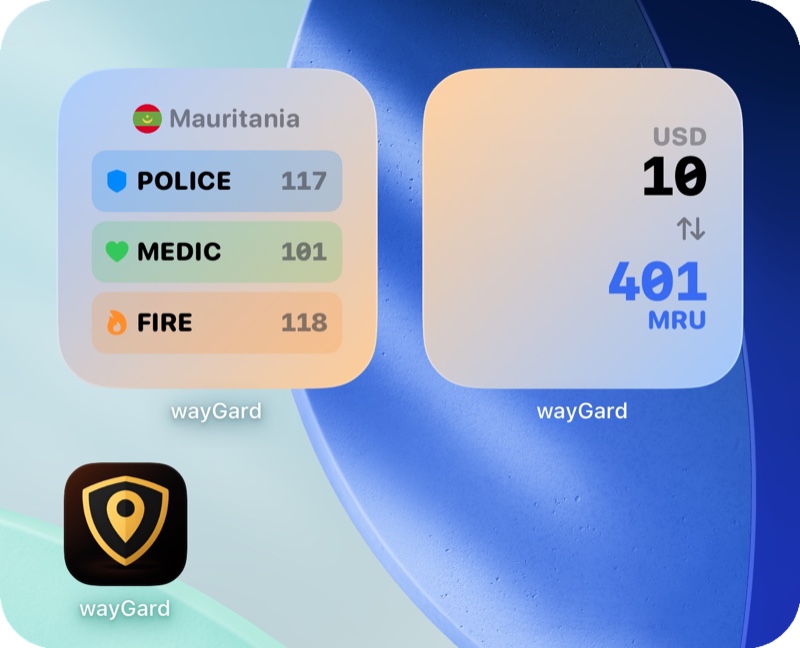
Mauritania emergency numbers: 117 (Police), 101 (Ambulance), 118 (Fire Department).

Is Mauritania safe for travelers?
Do not go east of a line from Kankossa via Akhreijit, Ghallaouia and Zouérat to Fdérik and on west to the Western Sahara border: these are military zones, and the army has warned that anyone entering may be treated as a target. Do not go within 25km of the Mali border either. The rest of Tiris Zemmour, Assaba, Hodh el Gharbi, Gorgol and Guidimaka, much of Adrar and Tagant, and the 25km strip along Western Sahara are for essential travel only; Atar, Chinguetti, Ouadane and the Nouakchott–Nouadhibou road are exempt.
What health risks should travelers know about in Mauritania?
Heat, dehydration, and limited help in remote areas are bigger practical risks than many first-time visitors expect.
What laws should tourists know about in Mauritania?
Carry identification or good passport copies. Photography around military, police, and government-sensitive places can create problems.
Importing or consuming alcohol or pork is illegal for everyone, including non-Muslims. Bags are scanned at Nouakchott airport and vehicles may be searched at land borders. Even a duty-free bottle can be confiscated and lead to a fine or arrest.
Same-sex sexual activity is illegal. The maximum penalty for men is death, and women face 3 months to 2 years in prison plus a fine. There are no anti-discrimination protections, so LGBT+ travellers should be extremely discreet.
Islam is the state religion. Trying to convert people is illegal and can mean arrest or deportation, unauthorised non-Islamic gatherings are banned, and blasphemy can carry the death penalty. Away from the beach, women should cover their shoulders and avoid short skirts, and men should not wear shorts or sleeveless tops.
How is transportation in Mauritania?
Outside towns, including to Chinguetti and Tichit, travel by 4x4 in convoy with an experienced guide and carry spare fuel and water. Riding the iron ore train anywhere but the passenger carriage is illegal and dangerous, with no proper medical care nearby.
Avoid night driving. Keep routes conservative and current rather than adventurous.
What should travelers know about money in Mauritania?
Mauritania is mostly cash-based: bring euros or US dollars to change at banks or official bureaux, as only a few hotels take cards (some Visa only). Spend or change your ouguiyas before you leave, because taking them out of the country is illegal.
What are the entry requirements for Mauritania?
Visa on arrival ended on 5 January 2025. Unless your nationality is exempt, apply online for the e-visa well before you travel and print it. Bring the fee in exact euro or US dollar cash, because no change or receipts are given.
Which embassies are in Mauritania?
Mostly in Nouakchott, Tevragh Zeina, Nouadhibou.
 Algeria
 Benin
 Brazil
 China
 Egypt
 France
 Germany
 Holy See (Vatican City)
 Israel
 Japan
 Morocco
 Palestine
 Russia
 Saudi Arabia
 South Africa
 Spain
 Tunisia
 Turkey
 United Arab Emirates
 United States
Frequently Asked Questions
What is the emergency number in Mauritania?
In Mauritania, you can reach police at 117, ambulance at 101, fire services at 118. These numbers work from any phone, including mobile phones without a local SIM card.
Is Mauritania safe for tourists?
Do not go east of a line from Kankossa via Akhreijit, Ghallaouia and Zouérat to Fdérik and on west to the Western Sahara border: these are military zones, and the army has warned that anyone entering may be treated as a target. Do not go within 25km of the Mali border either. The rest of Tiris Zemmour, Assaba, Hodh el Gharbi, Gorgol and Guidimaka, much of Adrar and Tagant, and the 25km strip along Western Sahara are for essential travel only; Atar, Chinguetti, Ouadane and the Nouakchott–Nouadhibou road are exempt.
What currency is used in Mauritania?
Mauritania is mostly cash-based: bring euros or US dollars to change at banks or official bureaux, as only a few hotels take cards (some Visa only).
What health precautions should I take in Mauritania?
Heat, dehydration, and limited help in remote areas are bigger practical risks than many first-time visitors expect.
What laws should tourists know about in Mauritania?
Carry identification or good passport copies. Photography around military, police, and government-sensitive places can create problems.
Get wayGard for iOS
Get all of Mauritania's safety info offline.
