Germany Travel Safety Guide
What are the emergency numbers in Germany?
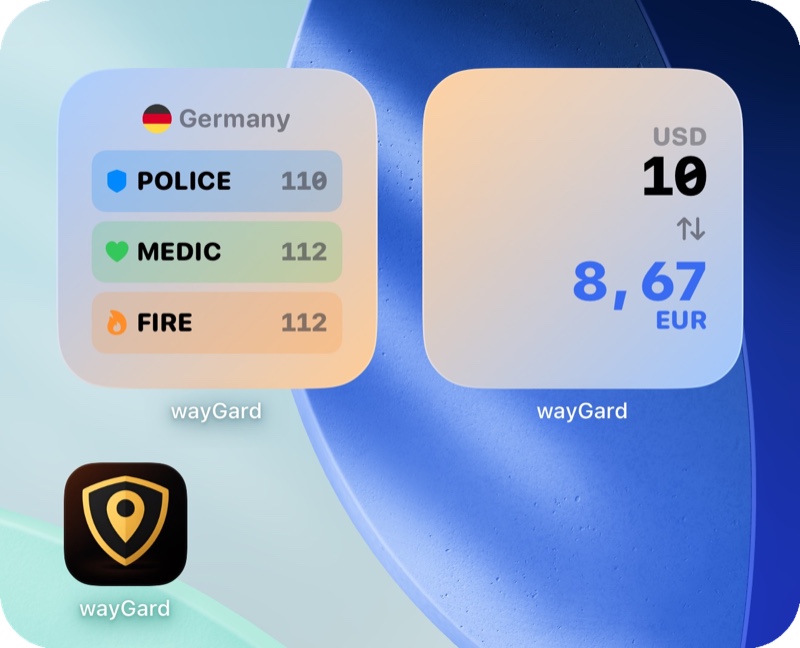
Germany emergency numbers: 110 (Police), 112 (Ambulance), 112 (Fire Department).

Is Germany safe for travelers?
Pickpocketing and bag-snatching happen most around stations, airports, and crowded public places.
Tap water is generally safe to drink.
Terrorists are very likely to try to attack in Germany, including at markets, festivals, sporting events, places of worship and other crowded places. Stay alert in crowds and follow police instructions.
What health risks should travelers know about in Germany?
Heat waves are more common than some travelers expect, and lake or river swimming should be treated carefully where currents or water quality are uncertain.
What laws should tourists know about in Germany?
Visitors have no legal way to buy cannabis: clubs are for residents only and street dealing is a crime. Public use is banned in many places, such as near schools and in pedestrian zones during the day, and drug-driving limits are strict.
Public order rules are usually predictable, but demonstrations should still be avoided.
How is transportation in Germany?
Public transport is the safest default. DB Navigator is the core train app, and city-specific transit apps can help in places like Berlin or Munich.
Validate or buy the correct ticket before travel where required. Fare checks are common and ignorance does not help.
Pedestrian crossings are generally respected, but bicycle lanes are serious business. Do not step into them casually.
What should travelers know about money in Germany?
Currency is euro (EUR). Cards are common, but Germany still has more cash-friendly habits than some neighboring countries, especially at smaller shops and older businesses.
Use banks or official ATMs and be cautious of counterfeit-currency issues when handling cash in busy areas.
Tipping is moderate and usually done by rounding up or adding a small amount, not by leaving a huge percentage.
What practical info do travelers need for Germany?
Plug types are C and F. Voltage is 230V.
Useful apps include DB Navigator, local transit apps like BVG in Berlin, Google Maps, and Free Now in cities where supported.
Berlin feels much looser socially than many smaller German cities, but that should not be confused with a no-rules environment.
What are the entry requirements for Germany?
Germany is in the Schengen Area: non-EU visitors on short stays are registered in the EU Entry/Exit System with fingerprints and a photo. The 90-days-in-180 limit counts all Schengen countries together.
City Specific Info
Berlin
Watch your phone and wallet in nightlife-heavy transit areas and around large stations.
Which embassies are in Germany?
Mostly in Berlin, Mitte, Munich.
 Afghanistan
 Albania
 Algeria
 Angola
 Argentina
 Armenia
 Australia
 Austria
 Azerbaijan
 Bahrain
 Bangladesh
 Belarus
 Belgium
 Bolivia
 Bosnia and Herzegovina
 Botswana
 Brazil
 Brunei
 Bulgaria
 Burkina Faso
 Burundi
 Cabo Verde
 Cambodia
 Cameroon
 Canada
 Chad
 Chile
 China
 Colombia
 Congo, Democratic Republic of the
 Costa Rica
 Côte d’Ivoire
 Croatia
 Cuba
 Cyprus
 Czechia
 Denmark
 Djibouti
 Dominican Republic
 Ecuador
 Egypt
 El Salvador
 Equatorial Guinea
 Eritrea
 Estonia
 Ethiopia
 Finland
 France
 Gabon
 Georgia
 Ghana
 Greece
 Guatemala
 Guinea
 Guinea-Bissau
 Haiti
 Holy See (Vatican City)
 Honduras
 Hungary
 Iceland
 India
 Indonesia
 Iran
 Iraq
 Ireland
 Israel
 Italy
 Jamaica
 Japan
 Jordan
 Kazakhstan
 Kenya
 Kosovo
 Kuwait
 Kyrgyzstan
 Laos
 Latvia
 Lebanon
 Lesotho
 Liberia
 Liechtenstein
 Lithuania
 Luxembourg
 Madagascar
 Malawi
 Malaysia
 Maldives
 Mali
 Malta
 Mauritania
 Mauritius
 Mexico
 Moldova, Republic of
 Monaco
 Mongolia
 Montenegro
 Morocco
 Mozambique
 Myanmar
 Namibia
 Nepal
 Netherlands
 New Zealand
 Nicaragua
 Niger
 Nigeria
 North Korea
 North Macedonia
 Norway
 Oman
 Pakistan
 Palestine
 Panama
 Paraguay
 Peru
 Philippines
 Poland
 Portugal
 Qatar
 Republic of the Congo
 Romania
 Russia
 Rwanda
 Saudi Arabia
 Senegal
 Serbia
 Sierra Leone
 Singapore
 Slovakia
 Slovenia
 Somalia
 South Africa
 South Korea
 South Sudan
 Spain
 Sri Lanka
 Sudan
 Sweden
 Switzerland
 Syrian Arab Republic
 Taiwan
 Tajikistan
 Tanzania
 Thailand
 Togo
 Tunisia
 Turkey
 Turkmenistan
 Uganda
 Ukraine
 United Arab Emirates
 United Kingdom
 United States
 Uruguay
 Uzbekistan
 Venezuela
 Vietnam
 Yemen
 Zambia
 Zimbabwe
Traveling Nearby?
Related Articles


Frequently Asked Questions
What is the emergency number in Germany?
In Germany, you can reach police at 110, ambulance at 112. These numbers work from any phone, including mobile phones without a local SIM card.
Is Germany safe for tourists?
Pickpocketing and bag-snatching happen most around stations, airports, and crowded public places.
What currency is used in Germany?
Currency is euro (EUR). Cards are common, but Germany still has more cash-friendly habits than some neighboring countries, especially at smaller shops and older businesses.
What health precautions should I take in Germany?
Heat waves are more common than some travelers expect, and lake or river swimming should be treated carefully where currents or water quality are uncertain.
What laws should tourists know about in Germany?
Visitors have no legal way to buy cannabis: clubs are for residents only and street dealing is a crime.
Get wayGard for iOS
Get all of Germany's safety info offline.
