
Mauritius Travel Safety Guide
What are the emergency numbers in Mauritius?
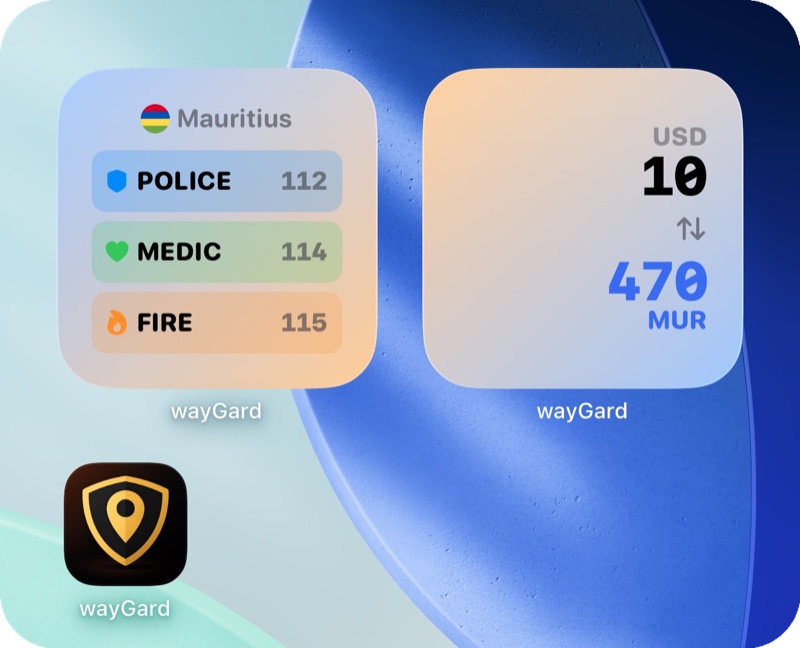
Mauritius emergency numbers: 112 (Police), 114 (Ambulance), 115 (Fire Department).

Is Mauritius safe for travelers?
Most tourist crime is non-violent theft rather than serious assault, but there have been sexual assault reports involving tourists. Do not leave valuables unattended and be more cautious at night on quieter beaches or after drinking.
Tap water is generally considered safe, but many travelers still prefer bottled water if staying in smaller guesthouses or if they are sensitive.
Cyclone season runs from November to May. Learn the phased warning levels and follow Mauritius Meteorological Services alerts if a cyclone approaches.
What health risks should travelers know about in Mauritius?
Sun exposure, dehydration, and mosquito bites are more practical health issues than city-style crime for many travelers.
What laws should tourists know about in Mauritius?
Drug laws are strict: if you are caught with any drug, even in airport transit, you are unlikely to get bail and may be held for a year or more awaiting trial.
Carry photo ID or a passport copy rather than the original passport for routine daily movement unless you specifically need it.
Possessing or bringing in cigarette rolling papers is illegal, even for tobacco, so leave them at home.
How is transportation in Mauritius?
Buses are common and cheap, but for direct trips or late-night movement many visitors rely on booked taxis or hotel-arranged rides. Agree the fare before the trip if the taxi is not metered.
Traffic drives on the left, roads are often narrow with pedestrians on them, and motorbikes often ride without lights at night. The drink-driving limit is very low, so do not drink at all if you are driving.
What should travelers know about money in Mauritius?
Currency is Mauritian rupee (MUR). Cards work widely in hotels, restaurants, malls, and tourist businesses, but cash is still useful for buses, markets, beach stalls, and smaller local places.
Petty theft is the more realistic money risk than violent robbery, especially if you leave bags unattended at beaches, rental villas, or in cars.
Tipping is appreciated but not mandatory. Small tips or rounding up are normal when service was good.
What practical info do travelers need for Mauritius?
Plug type is C and G, standard voltage is 230V.
Port Louis and beach resort areas can feel quite different. Resort islands are easier and more controlled than everyday urban or local beach environments.
What are the entry requirements for Mauritius?
If you have been in DRC or South Sudan in the past 21 days, you will be refused entry unless you hold a valid Mauritian work, residence or occupation permit or a business or student visa, and permit holders face 21 days of mandatory quarantine.
Which embassies are in Mauritius?
Mostly in Port Louis, Vacoas-Phoenix, Quatre Bornes.
 Australia
 Bangladesh
 China
 France
 Germany
 Holy See (Vatican City)
 India
 Japan
 Madagascar
 Russia
 Saudi Arabia
 South Africa
 United Kingdom
 United States
Frequently Asked Questions
What is the emergency number in Mauritius?
In Mauritius, you can reach police at 112, ambulance at 114, fire services at 115. These numbers work from any phone, including mobile phones without a local SIM card.
Is Mauritius safe for tourists?
Most tourist crime is non-violent theft rather than serious assault, but there have been sexual assault reports involving tourists.
What currency is used in Mauritius?
Currency is Mauritian rupee (MUR). Cards work widely in hotels, restaurants, malls, and tourist businesses, but cash is still useful for buses, markets, beach stalls, and smaller local places.
What health precautions should I take in Mauritius?
Sun exposure, dehydration, and mosquito bites are more practical health issues than city-style crime for many travelers.
What laws should tourists know about in Mauritius?
Drug laws are strict: if you are caught with any drug, even in airport transit, you are unlikely to get bail and may be held for a year or more awaiting trial.
Get wayGard for iOS
Get all of Mauritius's safety info offline.
