
Indonesia Travel Safety Guide
What are the emergency numbers in Indonesia?
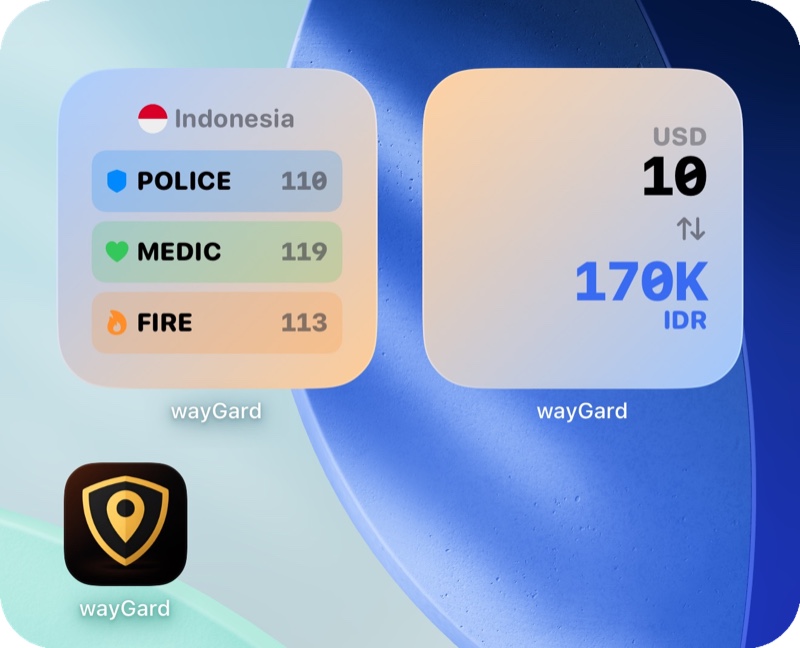
Indonesia emergency numbers: 110 (Police), 119 (Ambulance), 113 (Fire Department).

Is Indonesia safe for travelers?
Petty theft and tourist scams are common in busy areas. Sexual assault reports including in Bali and Lombok mean solo nightlife and isolated transport choices deserve extra caution.
Tap water is not a good default for visitors.
Methanol poisoning has happened in tourist areas from counterfeit alcohol.
Terrorist attacks are likely, with higher risk around Christmas, New Year, Easter, Nyepi, Ramadan, Independence Day and elections. Resorts, bars, malls, places of worship and transport hubs are possible targets.
Armed separatists in Highland Papua and Central Papua fight security forces, have attacked planes at small airstrips, and have kidnapped a foreign pilot and threatened foreigners. Do not go to the Papuan highlands without expert local security advice.
In Bali, nightlife scams, bad scooter decisions, counterfeit alcohol, and villa-area transport problems are more common than many first-time visitors expect.
What health risks should travelers know about in Indonesia?
Mosquito-borne diseases including dengue and malaria are relevant depending on island and region.
Volcanoes, earthquakes, and tsunamis are real hazards and can disrupt travel with little warning.
Heat, sun, and dehydration are easy to underestimate in beach destinations.
Rabies is present in Bali and elsewhere, in street dogs, temple monkeys and even pets. Get medical help immediately after any bite or scratch.
What laws should tourists know about in Indonesia?
Drug laws are extremely harsh, with severe prison sentences and possible death penalty cases.
Aceh enforces Sharia law on Muslims and non-Muslims alike: drinking alcohol, gambling, same-sex activity and sex outside marriage can be punished with public caning. Elsewhere in Indonesia, police have arrested people at LGBT+ events, so be discreet.
Keep your passport secure but accessible. Do not hand it over casually for rentals.
Indonesia's new criminal code, in force since 2 January 2026, makes sex outside marriage and unmarried cohabitation crimes if a spouse, parent or child files a complaint. It applies to foreigners too.
If you stay in a private villa, homestay or with friends, you (or your host) must register you with the local police, or you risk a fine of up to 5 million rupiah. Hotels register you automatically.
How is transportation in Indonesia?
Grab and Gojek are the normal trusted ride apps in many major destinations.
Traffic can be chaotic, especially for pedestrians and motorbike-heavy streets. Do not assume crossings are strongly protected.
Ferries, scooters, and small boats add risk compared with more urban destinations, especially in bad weather or if operators cut corners on safety.
What should travelers know about money in Indonesia?
Currency is Indonesian rupiah (IDR). Cash is still very useful outside bigger urban and tourist setups.
Use app-booked rides or metered taxis where possible. Taxi scams, airport transfer scams, card skimming, and bad-rate exchange tricks are recurring tourist problems.
Tipping is not mandatory, but small tips are appreciated in tourism settings.
What practical info do travelers need for Indonesia?
Plug types are C and F. Voltage is 230V.
Google Maps, Grab, and Gojek are the most useful mainstream app defaults for many visitors.
Bali is not a good template for the whole country. Indonesia is huge and local rules, transport quality, and risk levels vary a lot by island.
What are the entry requirements for Indonesia?
Most visitors need a visa, either an e-visa or a 30-day visa on arrival (500,000 rupiah), and overstaying costs 1 million rupiah a day. Fill in the free All Indonesia arrival form in the 72 hours before you land, and pay Bali's 150,000 rupiah tourist levy if you're going there.
City Specific Info
Jakarta
Traffic is a major practical problem. Build in far more travel time than the map suggests.
Which embassies are in Indonesia?
Mostly in Jakarta, Surabaya, Denpasar.
 Afghanistan
 Algeria
 Argentina
 Armenia
 Australia
 Austria
 Azerbaijan
 Bahrain
 Bangladesh
 Belarus
 Belgium
 Bosnia and Herzegovina
 Brazil
 Brunei
 Bulgaria
 Cambodia
 Canada
 Chile
 China
 Colombia
 Costa Rica
 Croatia
 Cuba
 Czechia
 Denmark
 Ecuador
 Egypt
 Ethiopia
 Fiji
 Finland
 France
 Georgia
 Germany
 Greece
 Guatemala
 Holy See (Vatican City)
 Hungary
 India
 Iran
 Iraq
 Ireland
 Italy
 Japan
 Jordan
 Kazakhstan
 Kuwait
 Laos
 Lebanon
 Malaysia
 Mexico
 Morocco
 Mozambique
 Myanmar
 Netherlands
 New Zealand
 Nigeria
 North Korea
 Norway
 Oman
 Pakistan
 Palestine
 Panama
 Papua New Guinea
 Peru
 Philippines
 Poland
 Portugal
 Qatar
 Romania
 Russia
 San Marino
 Saudi Arabia
 Serbia
 Singapore
 Slovakia
 Somalia
 South Africa
 South Korea
 Spain
 Sri Lanka
 Sudan
 Suriname
 Sweden
 Switzerland
 Syrian Arab Republic
 Taiwan
 Thailand
 Timor-Leste
 Tunisia
 Turkey
 Ukraine
 United Arab Emirates
 United Kingdom
 United States
 Uruguay
 Uzbekistan
 Venezuela
 Vietnam
 Yemen
 Zimbabwe
Traveling Nearby?
Related Articles
Frequently Asked Questions
What is the emergency number in Indonesia?
In Indonesia, you can reach police at 110, ambulance at 119, fire services at 113. These numbers work from any phone, including mobile phones without a local SIM card.
Is Indonesia safe for tourists?
Petty theft and tourist scams are common in busy areas. Sexual assault reports including in Bali and Lombok mean solo nightlife and isolated transport choices deserve extra caution.
What currency is used in Indonesia?
Currency is Indonesian rupiah (IDR). Cash is still very useful outside bigger urban and tourist setups.
What health precautions should I take in Indonesia?
Mosquito-borne diseases including dengue and malaria are relevant depending on island and region.
What laws should tourists know about in Indonesia?
Drug laws are extremely harsh, with severe prison sentences and possible death penalty cases.
Get wayGard for iOS
Get all of Indonesia's safety info offline.
