Serbia Travel Safety Guide
What are the emergency numbers in Serbia?
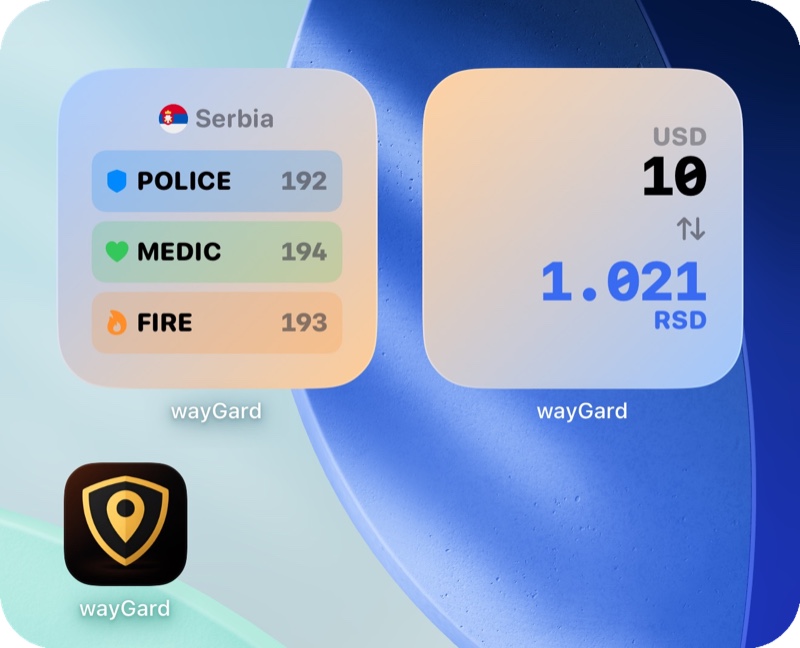
Serbia emergency numbers: 192 (Police), 194 (Ambulance), 193 (Fire Department).

Is Serbia safe for travelers?
Tourist-targeted petty theft is a more realistic risk than violent crime, especially in transport hubs, nightlife areas, and busy central districts in Belgrade.
Mass protests keep happening in Belgrade and other cities, often at short notice, and some have turned violent. Stay away from them, and carry some cash and a charged phone and power bank in case transport, card payments or mobile networks are disrupted.
Violence flares around big football matches, especially Red Star vs Partizan derbies in Belgrade. Steer clear of stadium areas on match days unless you're going.
Tap water is generally safe in Belgrade and other major cities.
What laws should tourists know about in Serbia?
Drug laws are strict and cannabis is illegal. Do not assume local nightlife culture means weed is tolerated.
You must carry your passport at all times; police can ask for it. Keep a copy separately.
Don't photograph police or military buildings, personnel or vehicles; it can lead to arrest.
How is transportation in Serbia?
Public transport and booked taxis are the normal city options. Use licensed taxis or a trusted booking method instead of getting into an unmarked car.
Road behavior can feel more assertive than in western Europe, so be careful as a pedestrian and even more careful if you rent a car.
What should travelers know about money in Serbia?
Currency is Serbian dinar (RSD). Cards are widely accepted in Belgrade and other cities, but cash is still useful for markets, kiosks, smaller cafes, and some taxis.
Watch for exchange-office games and taxi overcharging, especially around airports or nightlife areas if you look unfamiliar.
Tipping is moderate. Rounding up or around 10 percent in restaurants is normal if service was good.
What practical info do travelers need for Serbia?
Plug types are C and F, standard voltage is 230V.
What are the entry requirements for Serbia?
Make sure your passport is stamped when you enter Serbia; leaving without an entry stamp can mean charges, a heavy fine or even prison. Serbia doesn't treat crossings with Kosovo as international borders: you can go from Serbia into Kosovo and back, but if you entered Kosovo first (for example by flying into Pristina), expect to be refused entry into Serbia from there.
You must be registered with the police within 24 hours of arrival, or you risk a fine or arrest. Hotels do it for you; in a private rental or staying with friends, make sure your host registers you.
Which embassies are in Serbia?
Mostly in Belgrade, Pristina, Prishtina Municipality.
 Albania
 Algeria
 Angola
 Argentina
 Australia
 Austria
 Azerbaijan
 Belarus
 Belgium
 Bosnia and Herzegovina
 Brazil
 Bulgaria
 Cambodia
 Canada
 China
 Congo, Democratic Republic of the
 Croatia
 Cuba
 Cyprus
 Czechia
 Denmark
 Egypt
 Finland
 France
 Germany
 Greece
 Guinea
 Holy See (Vatican City)
 Hungary
 India
 Indonesia
 Iran
 Iraq
 Israel
 Italy
 Japan
 Kazakhstan
 Kuwait
 Lebanon
 Libya
 Luxembourg
 Malaysia
 Mexico
 Montenegro
 Morocco
 Myanmar
 Netherlands
 North Macedonia
 Norway
 Pakistan
 Palestine
 Poland
 Portugal
 Qatar
 Romania
 Russia
 Slovakia
 Slovenia
 South Korea
 Spain
 Sweden
 Switzerland
 Syrian Arab Republic
 Tunisia
 Turkey
 Ukraine
 United Arab Emirates
 United Kingdom
 United States
 Venezuela
Frequently Asked Questions
What is the emergency number in Serbia?
In Serbia, you can reach police at 192, ambulance at 194, fire services at 193. These numbers work from any phone, including mobile phones without a local SIM card.
Is Serbia safe for tourists?
Tourist-targeted petty theft is a more realistic risk than violent crime, especially in transport hubs, nightlife areas, and busy central districts in Belgrade.
What currency is used in Serbia?
Currency is Serbian dinar (RSD). Cards are widely accepted in Belgrade and other cities, but cash is still useful for markets, kiosks, smaller cafes, and some taxis.
What laws should tourists know about in Serbia?
Drug laws are strict and cannabis is illegal. Do not assume local nightlife culture means weed is tolerated.
Get wayGard for iOS
Get all of Serbia's safety info offline.
