Bosnia and Herzegovina Travel Safety Guide
What are the emergency numbers in Bosnia and Herzegovina?
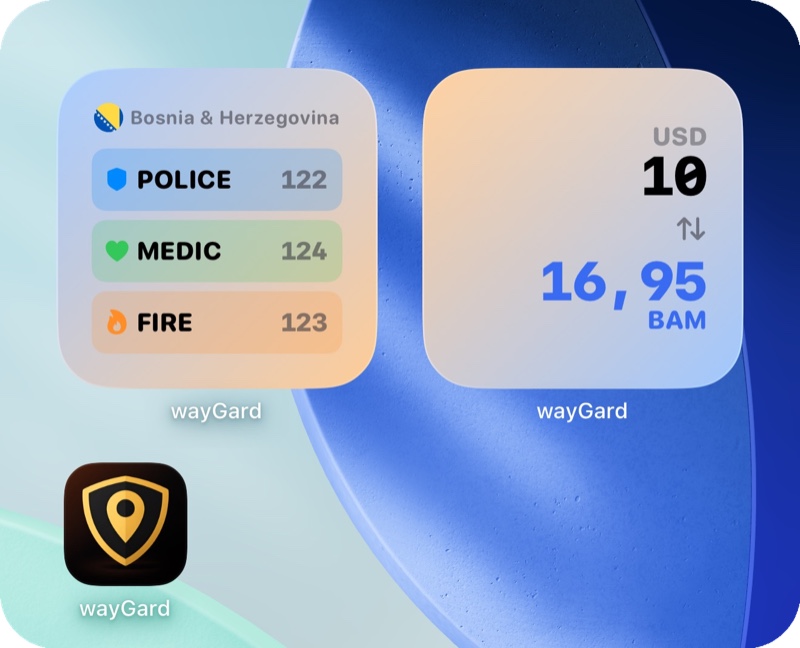
Bosnia and Herzegovina emergency numbers: 122 (Police), 124 (Ambulance), 123 (Fire Department).

Is Bosnia and Herzegovina safe for travelers?
Tourist focused violent crime is not common, but keep an eye on bags and phones in crowded transport hubs and nightlife areas.
The most important non obvious risk is landmines and unexploded ordnance from the war. Do not leave marked roads or paths in remote countryside, forests, or abandoned areas.
Do not jump from Mostar's Old Bridge: jumps have caused serious injuries and deaths. Leave it to the trained local divers.
What health risks should travelers know about in Bosnia and Herzegovina?
Tap water is generally safe in cities and towns. Outdoor travelers should prepare for fast weather shifts in mountain areas.
What laws should tourists know about in Bosnia and Herzegovina?
Always carry your passport. Foreigners must be registered with the police within 72 hours of arrival: hotels do this for you, but in private rentals check that your host has done it.
How is transportation in Bosnia and Herzegovina?
Public transport and intercity buses are normal, but cash is often easier for buses and small services. Driving standards are mixed, roads can be narrow in the mountains, and winter conditions change travel times fast.
What should travelers know about money in Bosnia and Herzegovina?
Currency is convertible mark (BAM). Cards work in Sarajevo, Mostar, and larger hotels or restaurants, but cash is still useful outside the main tourist areas.
Use bank ATMs and avoid changing large amounts with unofficial exchange offers. Tipping is modest and rounding up or leaving around 5 to 10 percent is enough.
What practical info do travelers need for Bosnia and Herzegovina?
Plug types are C and F, standard voltage is 230V. Sarajevo and Mostar are straightforward for tourists, while rural areas are slower paced and more cash dependent.
City Specific Info
Sarajevo
Sarajevo is easier for cards and taxis than smaller towns, but hills, snow, and tram disruptions can slow movement more than visitors expect.
Winter smog in Sarajevo can be severe, so check air quality if you have breathing problems. Thefts from parked cars are rising around Mount Trebević, so leave nothing on view.
Which embassies are in Bosnia and Herzegovina?
Mostly in Sarajevo, Centar Municipality, Mostar.
 Australia
 Austria
 Azerbaijan
 Brazil
 Bulgaria
 China
 Croatia
 Czechia
 Denmark
 Egypt
 France
 Germany
 Greece
 Holy See (Vatican City)
 Hungary
 Indonesia
 Iran
 Italy
 Japan
 Kuwait
 Libya
 Malaysia
 Montenegro
 Netherlands
 North Macedonia
 Norway
 Pakistan
 Palestine
 Poland
 Qatar
 Romania
 Russia
 San Marino
 Saudi Arabia
 Serbia
 Slovakia
 Slovenia
 Spain
 Sweden
 Switzerland
 Turkey
 United Kingdom
 United States
Frequently Asked Questions
What is the emergency number in Bosnia and Herzegovina?
In Bosnia and Herzegovina, you can reach police at 122, ambulance at 124, fire services at 123. These numbers work from any phone, including mobile phones without a local SIM card.
Is Bosnia and Herzegovina safe for tourists?
Tourist focused violent crime is not common, but keep an eye on bags and phones in crowded transport hubs and nightlife areas.
What currency is used in Bosnia and Herzegovina?
Currency is convertible mark (BAM). Cards work in Sarajevo, Mostar, and larger hotels or restaurants, but cash is still useful outside the main tourist areas.
What health precautions should I take in Bosnia and Herzegovina?
Tap water is generally safe in cities and towns. Outdoor travelers should prepare for fast weather shifts in mountain areas.
What laws should tourists know about in Bosnia and Herzegovina?
Always carry your passport. Foreigners must be registered with the police within 72 hours of arrival: hotels do this for you, but in private rentals check that your host has done it.
Get wayGard for iOS
Get all of Bosnia and Herzegovina's safety info offline.
