
Malaysia Travel Safety Guide
What are the emergency numbers in Malaysia?
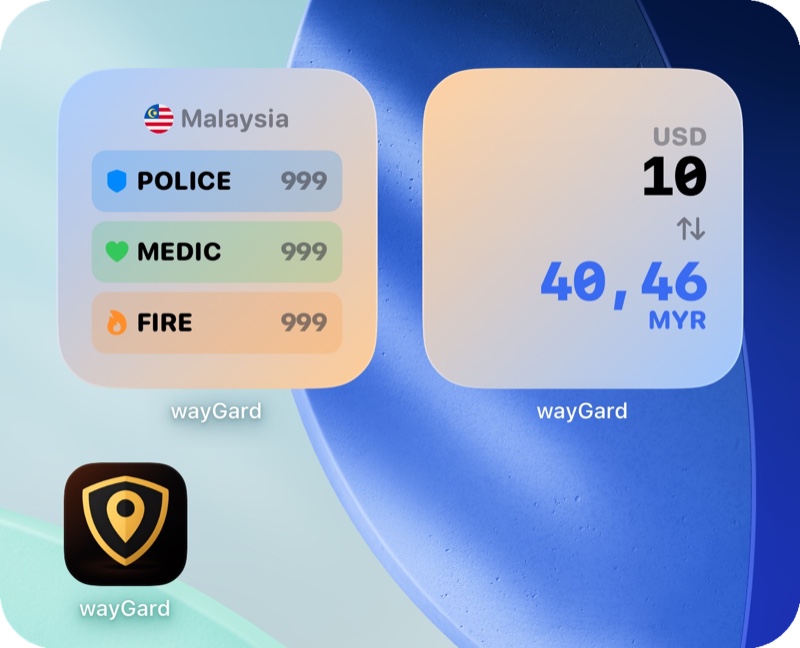
Malaysia emergency numbers: 999 (Police), 999 (Ambulance), 999 (Fire Department).

Is Malaysia safe for travelers?
Pickpocketing and bag snatching can happen in crowded city areas and transport hubs.
Tap water is not the best default for short-term visitors. Many travelers stick to bottled or reliably filtered water.
Food is a highlight, but use normal caution with seafood, buffet items, and stalls that look poorly maintained in very hot weather.
Islands and dive sites off eastern Sabah from Sandakan to Tawau, including Sipadan, Mabul and Lankayan, are essential travel only because of the kidnap threat to foreigners from southern Philippine groups. The warning does not cover the Sabah mainland.
What health risks should travelers know about in Malaysia?
Mosquito-borne illnesses including dengue are relevant.
Heat and humidity are the daily issue for many visitors.
Medicine availability is generally decent in cities, but bring your usual medication if it is specialized.
What laws should tourists know about in Malaysia?
Even tiny amounts of drugs can mean jail and whipping, and trafficking can carry the death penalty. Transit bags are scanned, and a positive urine test can lead to arrest or deportation even if you took the drug abroad.
Public behavior rules and moral policing can feel stricter than in much of the West, especially depending on state and context.
Keep identity documents accessible. Hotels, domestic travel, and police checks can require them.
Same-sex sexual acts are illegal under federal law, and police sometimes raid LGBT+ venues and events. Be discreet in public.
How is transportation in Malaysia?
Grab is the most practical trusted ride app for many visitors.
Urban rail is easy in Kuala Lumpur, but outside the biggest cities, car dependence rises quickly.
Traffic can be aggressive by Western standards, and pedestrian crossings are not always strongly respected.
What should travelers know about money in Malaysia?
Currency is Malaysian ringgit (MYR). Cards are common in malls, hotels, and urban businesses, but cash still helps for small eateries, markets, and more local transport situations.
Grab is widely used for rides and reduces taxi overcharging risk. Unofficial taxis and tourist-area pricing can still be a problem.
Tipping is not deeply expected. Small rounding up is enough in most cases.
What practical info do travelers need for Malaysia?
Plug type is G. Voltage is 240V.
Grab is dominant for rides. Touch 'n Go is a very common local transport and payment brand.
Kuala Lumpur, Penang, Borneo, and island destinations can feel very different in transport, weather, and food handling norms.
What are the entry requirements for Malaysia?
Most visitors must submit the Malaysia Digital Arrival Card online within 3 days before arrival, and airlines may ask for it at check-in. Foreigners are banned from joining protests, so stay away from demonstrations.
City Specific Info
Kuala Lumpur
KL is easier card-wise and app-wise than much of the rest of the country, but petty theft and tourist taxi issues still cluster around busy central areas.
Which embassies are in Malaysia?
Mostly in Kuala Lumpur, Kuching, Kota Kinabalu.
 Afghanistan
 Albania
 Algeria
 Argentina
 Australia
 Austria
 Azerbaijan
 Bangladesh
 Belgium
 Bosnia and Herzegovina
 Brazil
 Canada
 Chile
 China
 Colombia
 Croatia
 Czechia
 Denmark
 Ecuador
 Eswatini
 Finland
 France
 Germany
 Ghana
 Guinea
 Holy See (Vatican City)
 India
 Indonesia
 Ireland
 Italy
 Japan
 Kyrgyzstan
 Lesotho
 Maldives
 Mauritius
 Mexico
 Morocco
 Namibia
 Nepal
 Netherlands
 New Zealand
 North Korea
 Norway
 Palestine
 Peru
 Philippines
 Poland
 Romania
 Russia
 Saudi Arabia
 Singapore
 Slovenia
 South Africa
 South Korea
 Spain
 Sweden
 Switzerland
 Syrian Arab Republic
 Taiwan
 Tanzania
 Turkey
 Uganda
 Ukraine
 United Arab Emirates
 United Kingdom
 United States
 Uruguay
 Zambia
Traveling Nearby?
 Thailand
Frequently Asked Questions
What is the emergency number in Malaysia?
In Malaysia, you can reach police at 999, ambulance at 999. These numbers work from any phone, including mobile phones without a local SIM card.
Is Malaysia safe for tourists?
Pickpocketing and bag snatching can happen in crowded city areas and transport hubs.
What currency is used in Malaysia?
Currency is Malaysian ringgit (MYR). Cards are common in malls, hotels, and urban businesses, but cash still helps for small eateries, markets, and more local transport situations.
What health precautions should I take in Malaysia?
Mosquito-borne illnesses including dengue are relevant.
What laws should tourists know about in Malaysia?
Even tiny amounts of drugs can mean jail and whipping, and trafficking can carry the death penalty.
Get wayGard for iOS
Get all of Malaysia's safety info offline.
