
Slovenia Travel Safety Guide
What are the emergency numbers in Slovenia?
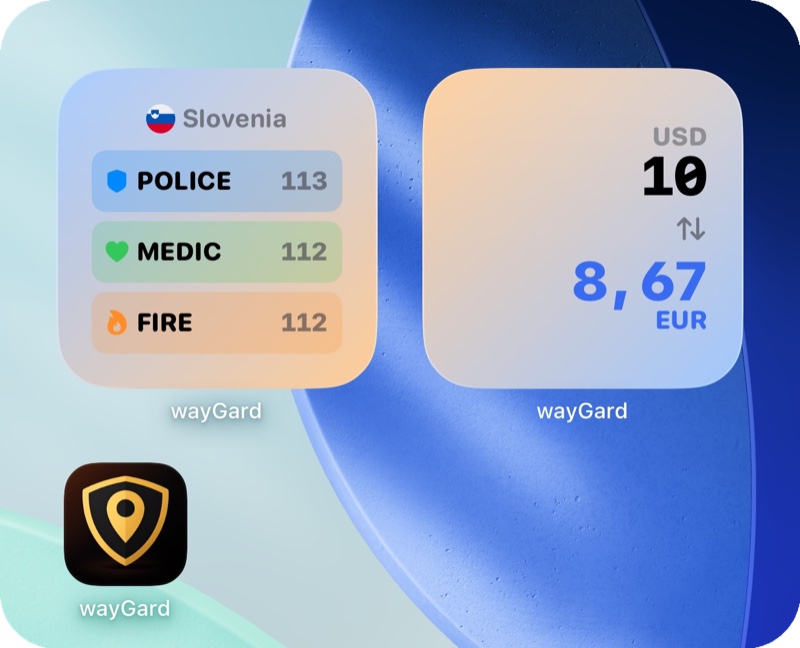
Slovenia emergency numbers: 113 (Police), 112 (Ambulance), 112 (Fire Department).

Is Slovenia safe for travelers?
Violent crime against tourists is uncommon, but petty theft can happen in tourist areas and on transport. Keep valuables secure in Ljubljana and at major attractions.
Tap water is generally safe and Slovenia is one of the easier European countries for that.
What health risks should travelers know about in Slovenia?
Outdoor travel is a bigger issue than city health risk here. Mountain weather and hiking conditions can become serious quickly if you are underprepared.
Brown bears live in forests across Slovenia, even near Ljubljana. Make noise on forest trails, keep dogs on a lead, and never approach a bear.
What laws should tourists know about in Slovenia?
Drug laws are not casual and cannabis should not be treated as socially tolerated just because you are in Europe.
Carry ID at all times; a copy of your passport is accepted. Police can fine you €50–200 if you can't show ID when asked.
Wild camping is illegal, with fines of €40–500 and especially strict enforcement in Triglav National Park. Use registered campsites or designated camper-van stops.
Cross only at marked crossings: police issue heavy on-the-spot fines for jaywalking, and can hold your documents until you pay.
How is transportation in Slovenia?
Ljubljana is walkable and intercity buses or trains are the normal way to move around. For taxis, use licensed companies or hotel-booked rides rather than improvising at transport hubs.
Driving standards are generally decent, but mountain roads and winter conditions can change the risk fast.
You need an e-vignette to drive on motorways: buy it at petrol stations, post offices or on the official DARS website, not lookalike sites. Keep your headlights on at all times, day and night.
What should travelers know about money in Slovenia?
Currency is euro (EUR). Cards work widely in Ljubljana and tourist areas, but cash is still useful for smaller rural places, mountain huts, and some local services.
Tipping is modest. Rounding up or leaving a small tip is normal, but heavy tipping is not expected.
What practical info do travelers need for Slovenia?
Plug types are C and F, standard voltage is 230V.
What are the entry requirements for Slovenia?
Non-EU visitors flying in from outside the Schengen Area are registered in the EU Entry/Exit System with fingerprints and a photo. Carry your passport on land crossings too, because there are checks at the borders with Italy and Austria.
Which embassies are in Slovenia?
Mostly in Ljubljana, Ljubljana City Municipality, Lendava.
 Albania
 Austria
 Bosnia and Herzegovina
 Brazil
 Bulgaria
 China
 Croatia
 Czechia
 Egypt
 France
 Georgia
 Germany
 Greece
 Holy See (Vatican City)
 Hungary
 India
 Iran
 Ireland
 Italy
 Japan
 Kosovo
 Montenegro
 Netherlands
 North Macedonia
 Poland
 Romania
 Russia
 Serbia
 Slovakia
 Spain
 Switzerland
 Turkey
 Ukraine
 United Kingdom
 United States
Traveling Nearby?
Frequently Asked Questions
What is the emergency number in Slovenia?
In Slovenia, you can reach police at 113, ambulance at 112. These numbers work from any phone, including mobile phones without a local SIM card.
Is Slovenia safe for tourists?
Violent crime against tourists is uncommon, but petty theft can happen in tourist areas and on transport. Keep valuables secure in Ljubljana and at major attractions.
What currency is used in Slovenia?
Currency is euro (EUR). Cards work widely in Ljubljana and tourist areas, but cash is still useful for smaller rural places, mountain huts, and some local services.
What health precautions should I take in Slovenia?
Outdoor travel is a bigger issue than city health risk here. Mountain weather and hiking conditions can become serious quickly if you are underprepared.
What laws should tourists know about in Slovenia?
Drug laws are not casual and cannabis should not be treated as socially tolerated just because you are in Europe.
Get wayGard for iOS
Get all of Slovenia's safety info offline.
