Montenegro Travel Safety Guide
What are the emergency numbers in Montenegro?
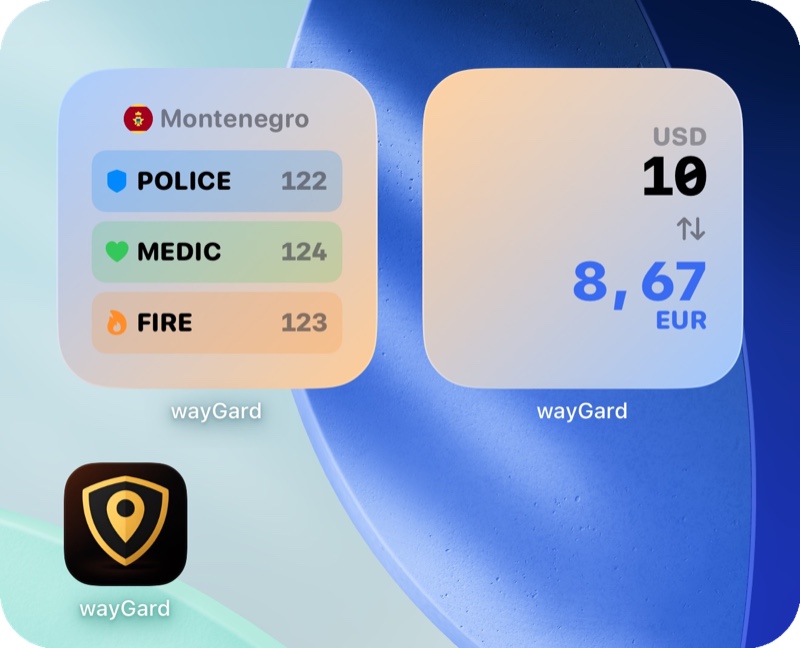
Montenegro emergency numbers: 122 (Police), 124 (Ambulance), 123 (Fire Department).

Is Montenegro safe for travelers?
Petty theft is the main tourist risk, especially in crowded coastal resorts and nightlife areas in peak season.
Tap water is usually fine in major towns, but some travelers prefer bottled water in smaller places or during very hot periods.
What health risks should travelers know about in Montenegro?
Summer heat, strong sun, and dehydration are a more practical issue on the coast than infectious disease for most travelers.
Wildfires are common from April to October. Never light fires or barbecues outside marked areas, and call 112 if you see one.
What laws should tourists know about in Montenegro?
Drug laws are strict enough that cannabis should be treated as a real legal risk, not a beach-holiday gray area.
Always carry your passport or another official photo ID; a copy is not enough, and police can fine you. If your passport is lost, you need a replacement or emergency travel document to leave, as a police report will not do.
Photographing police or military sites, personnel or vehicles is illegal and can lead to arrest.
How is transportation in Montenegro?
Road travel is common, but mountain roads can be narrow and driving standards can feel more aggressive than in northern Europe. Do not assume relaxed coastal holiday areas mean low road risk.
Use booked taxis or clearly licensed taxis in tourist areas to reduce overcharging and route-padding risk.
What should travelers know about money in Montenegro?
Montenegro uses euro (EUR). Cards work in many hotels, restaurants, and tourist businesses, but cash is still important for small shops, beach spots, and some transport or rural areas.
Tipping is moderate. Rounding up or leaving around 5 to 10 percent is common if service was good.
What practical info do travelers need for Montenegro?
Plug types are C and F, standard voltage is 230V.
Budva and the coast can feel very different from the mountainous interior, especially for prices, nightlife, and traffic.
What are the entry requirements for Montenegro?
Every visitor must be registered with police or the local tourist office within 24 hours of arrival. Hotels do it for you; in private accommodation, make sure it is done or register yourself, or you risk a fine or detention.
Which embassies are in Montenegro?
Mostly in Podgorica, Podgorica Municipality.
 Albania
 Austria
 Bosnia and Herzegovina
 Bulgaria
 China
 Croatia
 Czechia
 France
 Germany
 Greece
 Holy See (Vatican City)
 Hungary
 Italy
 Kosovo
 North Macedonia
 Palestine
 Poland
 Romania
 Russia
 Serbia
 Slovakia
 Slovenia
 Spain
 Turkey
 Ukraine
 United Arab Emirates
 United Kingdom
 United States
Frequently Asked Questions
What is the emergency number in Montenegro?
In Montenegro, you can reach police at 122, ambulance at 124, fire services at 123. These numbers work from any phone, including mobile phones without a local SIM card.
Is Montenegro safe for tourists?
Petty theft is the main tourist risk, especially in crowded coastal resorts and nightlife areas in peak season.
What currency is used in Montenegro?
Montenegro uses euro (EUR). Cards work in many hotels, restaurants, and tourist businesses, but cash is still important for small shops, beach spots, and some transport or rural areas.
What health precautions should I take in Montenegro?
Summer heat, strong sun, and dehydration are a more practical issue on the coast than infectious disease for most travelers.
What laws should tourists know about in Montenegro?
Drug laws are strict enough that cannabis should be treated as a real legal risk, not a beach-holiday gray area.
Get wayGard for iOS
Get all of Montenegro's safety info offline.
