Spain Travel Safety Guide
What are the emergency numbers in Spain?
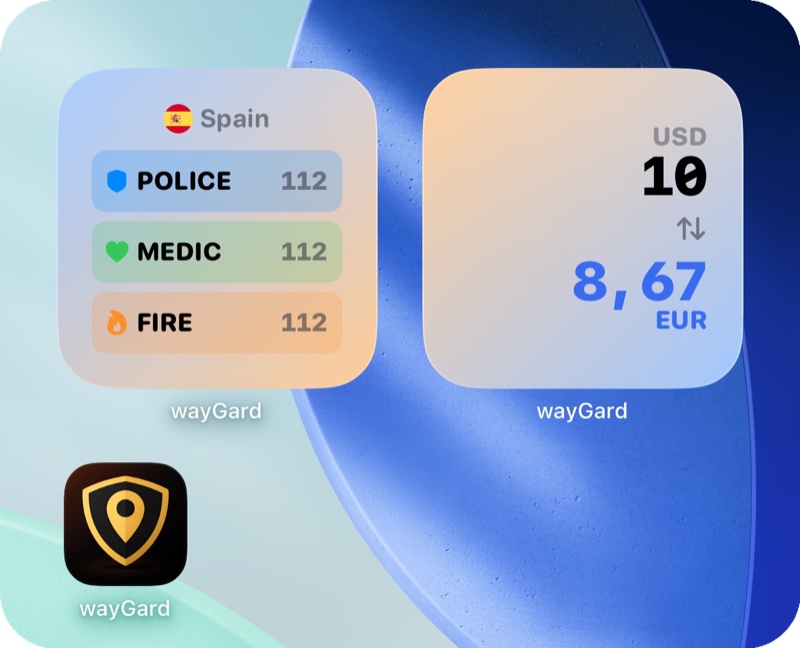
Spain emergency numbers: 112 (Police), 112 (Ambulance), 112 (Fire Department).

Is Spain safe for travelers?
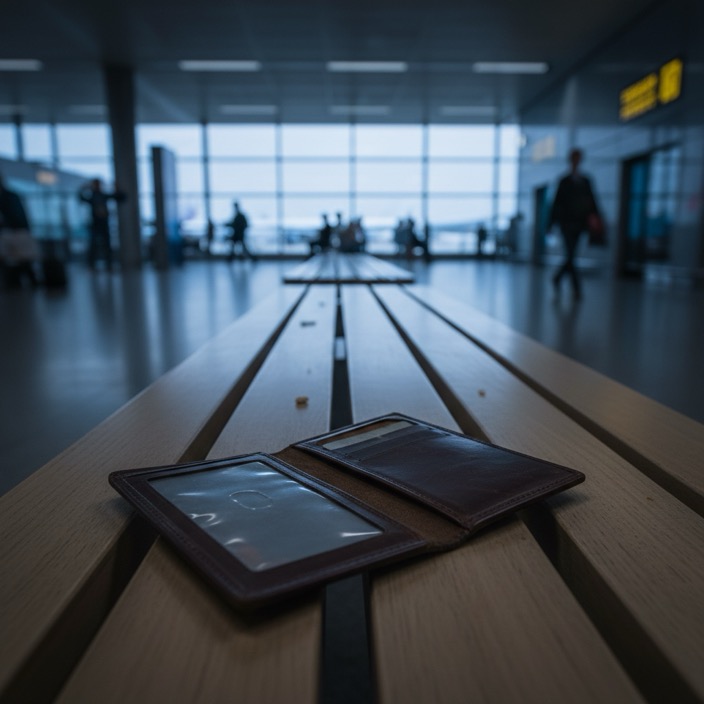
Pickpocketing and distraction theft are common in Barcelona, Madrid, transport hubs, beaches, and nightlife areas.
Tap water is generally safe to drink.
Heat, wildfire smoke, and sun exposure can be a serious issue in summer.
Terrorists are likely to try to carry out attacks, including in busy tourist places. Stay alert in crowds and follow police instructions.
What health risks should travelers know about in Spain?
Summer heatwaves often push inland temperatures past 40°C. Avoid the midday sun, drink plenty of water and follow official heat alerts.
What laws should tourists know about in Spain?
Drinking in the street is banned in many areas, with on-the-spot fines, and some places also fine laughing-gas use. In Magaluf, Playa de Palma and San Antonio, happy hours, pub crawls, party boats and shop alcohol sales from 9:30pm to 8am are banned, and hotels evict guests for risky balcony behaviour.
Cannabis clubs are not the same thing as simple legal public use. Visitors regularly misunderstand this.
You must show photo ID if police ask, and they can hold you at a station until your identity is confirmed. Carry your passport or national ID card.
How is transportation in Spain?
Metro, train, and bus networks are the safest default in major cities. Cabify and Uber operate in some cities, but local taxi availability rules can differ by region.
Exact cash is less important than before in major cities, but it still helps on some buses or smaller local services.
Pedestrian crossings are more respected than in much of Asia, but scooter and motorcycle awareness still matters in dense city centers.
Thieves target hire and foreign-plated cars by flagging you down to claim something is wrong. If you stop, do it at a lit service station, and know that real police only ask for vehicle documents, never your wallet or bag.
What should travelers know about money in Spain?
Currency is euro (EUR). Cards work widely, but carrying some cash still helps for smaller bars, taxis, and local markets.
Tourist scam risk is more about pickpocketing, distraction theft, club or restaurant overcharging, and airport or station taxi issues than about everyday merchant fraud.
Tipping is modest. Rounding up or leaving a small amount is normal, but large tips are not expected.
What practical info do travelers need for Spain?
Plug types are C and F. Voltage is 230V.
Useful apps vary by city, but Google Maps, Renfe, Cabify, and local transit apps are often the practical default.
Barcelona, Madrid, islands, and small towns can feel quite different in pace, transport, and tourist scam intensity.
What are the entry requirements for Spain?
If you're not an EU, EEA or Swiss citizen, your fingerprints and photo are taken for the EU Entry/Exit System when you enter the Schengen area, so expect longer border queues. Keep all your Schengen stays within 90 days in any 180.
City Specific Info
Barcelona
Pickpocket risk is high enough that an exposed phone or backpack in tourist zones is a real mistake, not just general caution.
Which embassies are in Spain?
Mostly in Madrid, Barcelona, Dreta de l'Eixample.
 Afghanistan
 Albania
 Algeria
 Andorra
 Angola
 Antigua and Barbuda
 Argentina
 Armenia
 Australia
 Austria
 Azerbaijan
 Bangladesh
 Belarus
 Belgium
 Bolivia
 Bosnia and Herzegovina
 Brazil
 Bulgaria
 Cabo Verde
 Cameroon
 Canada
 Chile
 China
 Colombia
 Congo, Democratic Republic of the
 Costa Rica
 Côte d’Ivoire
 Croatia
 Cuba
 Cyprus
 Czechia
 Denmark
 Dominican Republic
 Ecuador
 Egypt
 El Salvador
 Equatorial Guinea
 Estonia
 Ethiopia
 Finland
 France
 Gabon
 Gambia
 Georgia
 Germany
 Ghana
 Greece
 Guatemala
 Guinea
 Guinea-Bissau
 Haiti
 Holy See (Vatican City)
 Honduras
 Hungary
 India
 Indonesia
 Iran
 Iraq
 Ireland
 Israel
 Italy
 Japan
 Jordan
 Kazakhstan
 Kenya
 Kuwait
 Latvia
 Lebanon
 Libya
 Lithuania
 Luxembourg
 Madagascar
 Malaysia
 Mali
 Malta
 Mauritania
 Mexico
 Moldova, Republic of
 Monaco
 Montenegro
 Morocco
 Mozambique
 Nepal
 Netherlands
 New Zealand
 Nicaragua
 Nigeria
 North Korea
 North Macedonia
 Norway
 Oman
 Pakistan
 Palestine
 Panama
 Paraguay
 Peru
 Philippines
 Poland
 Portugal
 Qatar
 Romania
 Russia
 San Marino
 Saudi Arabia
 Senegal
 Serbia
 Slovakia
 Slovenia
 South Africa
 South Korea
 Sudan
 Sweden
 Switzerland
 Syrian Arab Republic
 Taiwan
 Thailand
 Togo
 Tunisia
 Turkey
 Ukraine
 United Arab Emirates
 United Kingdom
 United States
 Uruguay
 Uzbekistan
 Venezuela
 Vietnam
 Yemen
Traveling Nearby?
Related Articles
Frequently Asked Questions
What is the emergency number in Spain?
In Spain, you can reach police at 112, ambulance at 112. These numbers work from any phone, including mobile phones without a local SIM card.
Is Spain safe for tourists?
Pickpocketing and distraction theft are common in Barcelona, Madrid, transport hubs, beaches, and nightlife areas.
What currency is used in Spain?
Currency is euro (EUR). Cards work widely, but carrying some cash still helps for smaller bars, taxis, and local markets.
What health precautions should I take in Spain?
Summer heatwaves often push inland temperatures past 40°C. Avoid the midday sun, drink plenty of water and follow official heat alerts.
What laws should tourists know about in Spain?
Drinking in the street is banned in many areas, with on-the-spot fines, and some places also fine laughing-gas use.
Get wayGard for iOS
Get all of Spain's safety info offline.
