
Dominican Republic Travel Safety Guide
What are the emergency numbers in Dominican Republic?
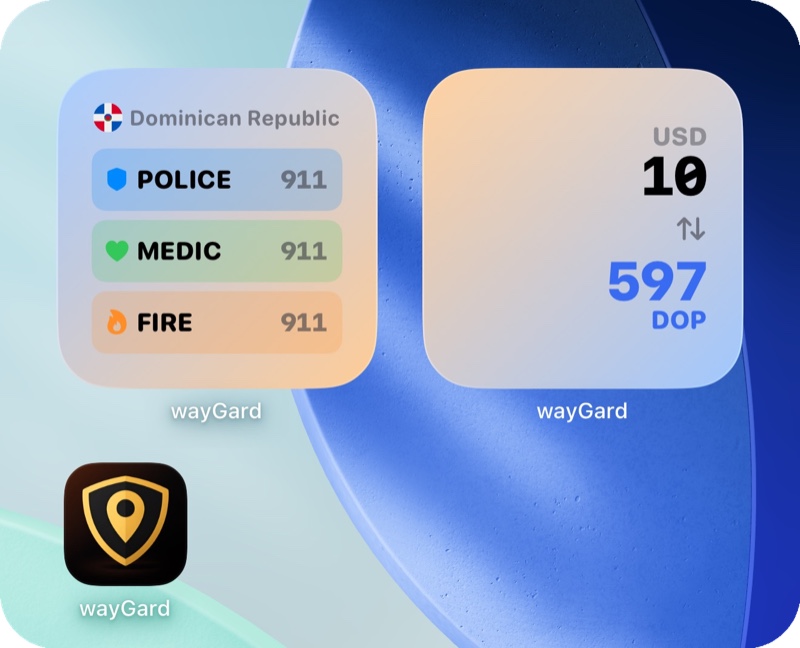
Dominican Republic emergency numbers: 911 (Police), 911 (Ambulance), 911 (Fire Department).

Is Dominican Republic safe for travelers?
Crime levels are high. Risks range from bag snatching and pickpocketing to violent robbery and carjacking.
Tap water is not a good default for visitors. Bottled or filtered water is safer.
The land and sea borders with Haiti are closed, and armed robbers, sometimes posing as police, have targeted roads near the border. Do not plan an overland trip into Haiti, and avoid the border area.
Sexual assaults on visitors have happened in beach resorts, sometimes involving hotel staff or other guests. Never leave drinks unattended, avoid walking alone at night, and report any crime to local police before you leave the country, or it cannot be investigated.
What health risks should travelers know about in Dominican Republic?
Mosquito-borne diseases including dengue, malaria, and Oropouche are relevant. Use repellent and avoid assuming a beach resort means no mosquito risk.
Sun exposure, dehydration, and food hygiene issues are common practical travel problems.
How is transportation in Dominican Republic?
Use official or hotel-arranged taxis and rides. Do not assume random street transport is worth the small savings.
When driving, stay alert at red lights and in slow traffic because thieves on motorcycles sometimes reach into cars or snatch items.
What should travelers know about money in Dominican Republic?
The Dominican Republic uses the Dominican peso (DOP). Cards work in resorts, hotels, and larger businesses, but cash is still useful for taxis, tips, and smaller purchases.
Use bank ATMs and keep your surroundings in view. Motorbike drive-by theft can target bags, phones, and visible valuables.
What practical info do travelers need for Dominican Republic?
911 does not yet reach every part of the country, mainly some rural and border areas. If it does not connect, call the tourist police (Politur) on +1 809 200 3500.
What are the entry requirements for Dominican Republic?
Fill in the free online entry and exit form (e-Ticket) within 7 days before you travel, using only the official government site, and keep the QR code: you may need it at check-in, on arrival and when you leave.
City Specific Info
Santo Domingo
In Santo Domingo, stay sharper around traffic lights, nightlife areas, and less busy streets after dark than visitors often expect.
Which embassies are in Dominican Republic?
Mostly in Santo Domingo, Los Cacicazgos, Puerto Plata.
 Argentina
 Brazil
 Canada
 Chile
 China
 Colombia
 Costa Rica
 Ecuador
 El Salvador
 France
 Germany
 Haiti
 Holy See (Vatican City)
 India
 Israel
 Italy
 Jamaica
 Japan
 Mexico
 Morocco
 Netherlands
 Panama
 Paraguay
 Peru
 South Korea
 Spain
 Switzerland
 Turkey
 United Kingdom
 United States
 Uruguay
Traveling Nearby?
 Puerto Rico
Frequently Asked Questions
What is the emergency number in Dominican Republic?
In Dominican Republic, you can reach police at 911, ambulance at 911. These numbers work from any phone, including mobile phones without a local SIM card.
Is Dominican Republic safe for tourists?
Crime levels are high. Risks range from bag snatching and pickpocketing to violent robbery and carjacking.
What currency is used in Dominican Republic?
The Dominican Republic uses the Dominican peso (DOP). Cards work in resorts, hotels, and larger businesses, but cash is still useful for taxis, tips, and smaller purchases.
What health precautions should I take in Dominican Republic?
Mosquito-borne diseases including dengue, malaria, and Oropouche are relevant. Use repellent and avoid assuming a beach resort means no mosquito risk.
Get wayGard for iOS
Get all of Dominican Republic's safety info offline.
