
Chile Travel Safety Guide
What are the emergency numbers in Chile?
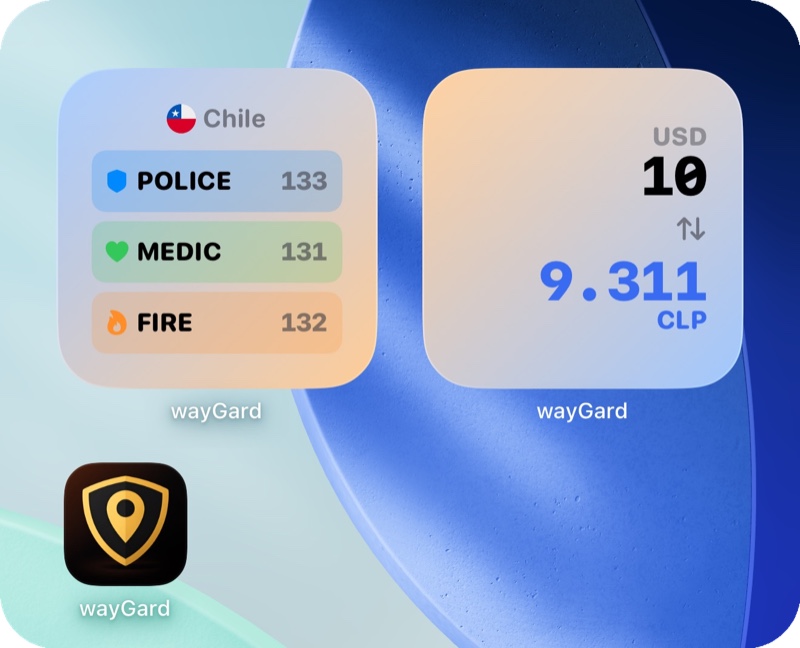
Chile emergency numbers: 133 (Police), 131 (Ambulance), 132 (Fire Department).

Is Chile safe for travelers?
Violent protest risk is real in Santiago and other cities, especially around central Santiago on Friday afternoons and evenings. Avoid demonstrations completely.
Muggings happen frequently, especially in Santiago and Valparaiso, and can involve weapons. Do not resist if robbed.
Drink spiking has been reported in Santiago nightlife areas such as Suecia and Bellavista. Keep drinks in sight and be cautious with strangers buying drinks.
Tap water is usually safe in major cities, but some travelers still prefer bottled water outside the main urban network or if they are sensitive.
Parts of southern Chile, namely Biobío and Araucanía (Arauco, Biobío, Malleco and Cautín provinces, which include Temuco, Pucón and Villarrica), have been under a rolling state of emergency since 2022 because of arson and armed attacks linked to indigenous land disputes, and the military support the police. Attacks mainly target businesses and state property, but stay on main routes and follow police and military instructions.
Strong earthquakes are frequent. Learn your hotel's evacuation route, and on the coast head to high ground straight away if shaking is strong or long, or if tsunami sirens sound.
What health risks should travelers know about in Chile?
Chile has major climate variation. Desert sun and dehydration in the north, winter snow in the Andes, and strong weather exposure in Patagonia can all be serious if you pack casually.
If you go hiking or mountaineering, tell local authorities before setting off and do not assume rescue is free.
Hantavirus, spread by rodent droppings and urine, is present in rural and forested areas of central and southern Chile. Air out closed cabins before using them, camp away from woodpiles and undergrowth, and keep food sealed.
What laws should tourists know about in Chile?
Carry a printed copy of your passport photo page. A photocopy is treated as enough for routine ID purposes.
Drinking alcohol in public places is illegal.
Drug possession and use can lead to prison sentences.
How is transportation in Chile?
At Santiago airport, pay for an official taxi at the booths inside arrivals before leaving the building, or book through a ride app, and ignore people in lanyards or jackets offering rides. If you pay by card in a taxi, check the amount and the number of zeros on the screen before tapping or entering your PIN.
What should travelers know about money in Chile?
Use normal caution at ATMs and exchange points. Muggers and thieves may target people seen leaving ATMs or carrying visible cash.
Cards work widely in cities and established tourist businesses, but some cash is still useful for smaller purchases and rural areas.
What practical info do travelers need for Chile?
Plug types are C and L. Voltage is 220V.
What are the entry requirements for Chile?
If a child is travelling with only one parent, alone or with a guardian, carry notarised consent from the absent parent(s) and the child's original birth certificate, or you may have trouble leaving Chile.
City Specific Info
Santiago
Central Santiago sees the biggest protests. Suecia and Bellavista have the clearest nightlife spiking risk.
Valparaíso
Petty theft and mugging risk are higher here than many first-time visitors expect, especially after dark.
Which embassies are in Chile?
Mostly in Las Condes, Providencia, Vitacura.
 Algeria
 Argentina
 Australia
 Austria
 Belgium
 Brazil
 Canada
 China
 Colombia
 Costa Rica
 Croatia
 Cuba
 Czechia
 Denmark
 Dominican Republic
 Ecuador
 Egypt
 El Salvador
 Finland
 France
 Germany
 Greece
 Guatemala
 Haiti
 Holy See (Vatican City)
 Honduras
 Hungary
 India
 Indonesia
 Iran
 Ireland
 Israel
 Italy
 Japan
 Jordan
 Kuwait
 Lebanon
 Libya
 Malaysia
 Mexico
 Morocco
 Netherlands
 New Zealand
 Nicaragua
 Norway
 Palestine
 Panama
 Paraguay
 Peru
 Philippines
 Poland
 Portugal
 Romania
 Russia
 Saudi Arabia
 Slovenia
 South Africa
 South Korea
 Spain
 Sweden
 Switzerland
 Syrian Arab Republic
 Taiwan
 Thailand
 Turkey
 Ukraine
 United Arab Emirates
 United Kingdom
 United States
 Uruguay
 Venezuela
 Vietnam
Traveling Nearby?
 Bolivia
Frequently Asked Questions
What is the emergency number in Chile?
In Chile, you can reach police at 133, ambulance at 131, fire services at 132. These numbers work from any phone, including mobile phones without a local SIM card.
Is Chile safe for tourists?
Violent protest risk is real in Santiago and other cities, especially around central Santiago on Friday afternoons and evenings. Avoid demonstrations completely.
What currency is used in Chile?
Use normal caution at ATMs and exchange points. Muggers and thieves may target people seen leaving ATMs or carrying visible cash.
What health precautions should I take in Chile?
Chile has major climate variation. Desert sun and dehydration in the north, winter snow in the Andes, and strong weather exposure in Patagonia can all be serious if you pack casually.
What laws should tourists know about in Chile?
Carry a printed copy of your passport photo page. A photocopy is treated as enough for routine ID purposes.
Get wayGard for iOS
Get all of Chile's safety info offline.
