Cuba Travel Safety Guide
What are the emergency numbers in Cuba?
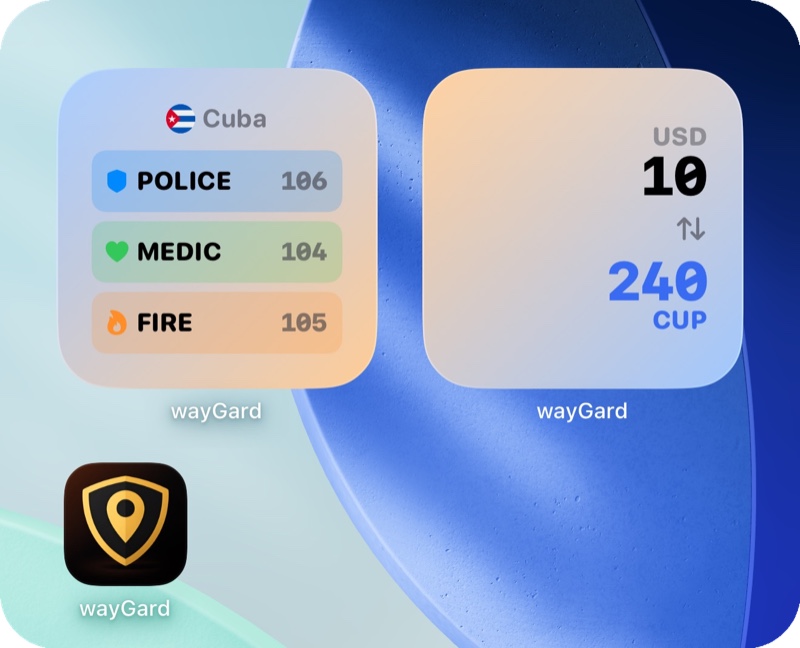
Cuba emergency numbers: 106 (Police), 104 (Ambulance), 105 (Fire Department).

Is Cuba safe for travelers?
Opportunistic crime is rising, including muggings in Havana and theft from guesthouses. Pre-arrange transport, avoid walking at night, take only registered yellow taxis from the airport, and if a hire car gets a puncture in a remote area, drive on to the next town before stopping.
Several governments, including the UK and Canada, advise against non-essential travel to Cuba. Repeated nationwide blackouts and fuel, water and medicine shortages are disrupting hospitals, transport and communications, and frequent protests can escalate.
What health risks should travelers know about in Cuba?
Medicine shortages are a real practical issue. Bring the prescription medicine you rely on instead of expecting to buy it easily locally.
Chikungunya, dengue and oropouche are circulating widely, so use insect repellent day and night. Hurricane season (June to November) can cut power and flights for days.
Tap water is not a good default for visitors with a sensitive stomach. Bottled or filtered water is safer.
What laws should tourists know about in Cuba?
Photography around military or police sites can cause serious trouble. Do not photograph sensitive infrastructure casually.
Drug laws are strict and detention conditions can be harsh.
How is transportation in Cuba?
Pre-arranged taxis and official transport are the safer default. Do not assume ride-hailing works the way it does in many other countries.
Intercity movement can be slower and less reliable than visitors expect because of shortages and service constraints.
Aviation fuel shortages have cut airport operations (in Havana only Terminal 3 is open), and several airlines, including all Canadian carriers, Air France and Iberia, have suspended Cuba flights. Confirm your flight shortly before travel and have a backup plan if it is cancelled.
Avoid three-wheeled Coco-taxis: they are often in unsafe condition, and tourists have been injured and killed in them.
What should travelers know about money in Cuba?
International Visa and Mastercard cards no longer work in Cuba, including at ATMs; only cash and Cuban prepaid cards are accepted. Bring enough US dollars or euros in cash for your whole stay, plus a reserve for medical costs or delays.
Change money only at official Cadeca exchange houses. Changing with individuals is illegal and can bring a fine or a prison sentence.
What are the entry requirements for Cuba?
Most visitors need a tourist card or e-visa (eVisa-Cuba) before flying, and everyone must complete the D'Viajeros online form within 72 hours before arrival. Save the QR code offline, because airlines check it at check-in.
If you visit Cuba, you can no longer use the US ESTA visa waiver and will need a full US visa for later US trips. US citizens may visit only under an authorised travel category, not for tourism.
City Specific Info
Havana
Havana is the easiest base for cards, government services, and tourist logistics, but old cars, shortages, and delayed services still affect day-to-day planning.
Which embassies are in Cuba?
Mostly in Havana, Plaza de la Libertad, Varadero.
 Algeria
 Angola
 Argentina
 Austria
 Barbados
 Belarus
 Belgium
 Benin
 Bolivia
 Brazil
 Bulgaria
 Burkina Faso
 Cambodia
 Canada
 Chile
 China
 Colombia
 Costa Rica
 Cyprus
 Czechia
 Djibouti
 Ecuador
 El Salvador
 Ethiopia
 France
 Germany
 Ghana
 Greece
 Guinea
 Guinea-Bissau
 Haiti
 Holy See (Vatican City)
 Hungary
 India
 Indonesia
 Italy
 Jamaica
 Japan
 Mexico
 Mongolia
 Morocco
 Mozambique
 Namibia
 Netherlands
 Nicaragua
 Norway
 Palestine
 Panama
 Paraguay
 Peru
 Poland
 Portugal
 Republic of the Congo
 Romania
 Russia
 Saudi Arabia
 Serbia
 Seychelles
 Slovakia
 South Africa
 Spain
 Sri Lanka
 Suriname
 Sweden
 Switzerland
 Trinidad and Tobago
 Turkey
 Ukraine
 United Arab Emirates
 United Kingdom
 United States
 Uruguay
 Vietnam
 Yemen
Traveling Nearby?
 Dominican Republic
Frequently Asked Questions
What is the emergency number in Cuba?
In Cuba, you can reach police at 106, ambulance at 104, fire services at 105. These numbers work from any phone, including mobile phones without a local SIM card.
Is Cuba safe for tourists?
Opportunistic crime is rising, including muggings in Havana and theft from guesthouses.
What currency is used in Cuba?
International Visa and Mastercard cards no longer work in Cuba, including at ATMs; only cash and Cuban prepaid cards are accepted.
What health precautions should I take in Cuba?
Medicine shortages are a real practical issue. Bring the prescription medicine you rely on instead of expecting to buy it easily locally.
What laws should tourists know about in Cuba?
Photography around military or police sites can cause serious trouble. Do not photograph sensitive infrastructure casually.
Get wayGard for iOS
Get all of Cuba's safety info offline.
