
Benin Travel Safety Guide
What are the emergency numbers in Benin?
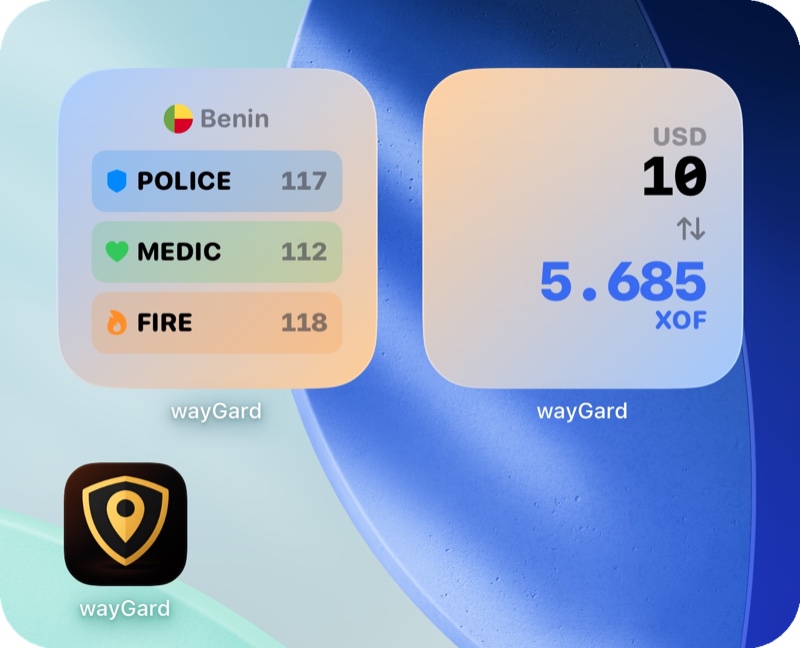
Benin emergency numbers: 117 (Police), 112 (Ambulance), 118 (Fire Department).

Is Benin safe for travelers?
Do not go to Parc du W, Pendjari National Park or their hunting zones (Mékrou, Djona), the area between Parc du W and the Niger border, or anywhere within 5km of the Burkina Faso border: armed groups attack there and have kidnapped tourists. Go only if essential to the rest of Alibori and Atacora, and to the area between the RNIE 2 (Tchaourou to Malanville) and the Nigerian border, where crime is rising.
Terrorists are very likely to try to attack in Benin. Most attacks so far have been in the north, but places foreigners use anywhere, such as beach resorts, hotels, bars and restaurants, could be targeted. Stay alert in crowds and follow any curfews or security checks.
In Cotonou, street crime including theft and mugging is common. Dantokpa Market deserves extra caution, especially at night, and you should not walk on the beach alone.
Benin had an attempted coup in December 2025. Avoid demonstrations and political rallies, and follow any curfew, which can be imposed at short notice.
Currents are very strong along the whole coast and people drown every year. Do not swim unless you have reliable local advice and are a confident swimmer.
What health risks should travelers know about in Benin?
You need a yellow fever vaccination certificate to enter. Malaria is a risk throughout the country, so prevent mosquito bites and ask a travel clinic about antimalarials. Outside Cotonou there may be no emergency medical response.
What laws should tourists know about in Benin?
Scams targeting foreigners happen in multiple forms, including romance, business, and emergency-money stories. Treat unexpected money-transfer requests with suspicion.
Do not photograph military sites, government buildings or the airport. Many nationalities need an e-visa, so apply online at least 4 working days before you arrive.
How is transportation in Benin?
Do not treat northern national parks or border regions as routine safari-style excursions. Route choice should follow current official warnings, not just map distance.
Carjackings happen in Cotonou and on roads outside towns. Keep doors locked and windows closed, avoid driving after dark, and do not stop if people wave you down.
What practical info do travelers need for Benin?
Several northern and eastern areas are under travel warnings. Insurance may be invalid if you go against official advice, so do not assume a country-level booking is enough.
City Specific Info
Cotonou
Crowded hotels, bars, public transport, Dantokpa Market, and beach areas are the main petty-crime and mugging pressure points in Cotonou.
Which embassies are in Benin?
Mostly in Cotonou.
 Algeria
 Belgium
 Brazil
 China
 France
 Germany
 Ghana
 Holy See (Vatican City)
 Japan
 Morocco
 Netherlands
 Russia
 South Africa
 Turkey
 United States
Frequently Asked Questions
What is the emergency number in Benin?
In Benin, you can reach police at 117, ambulance at 112, fire services at 118. These numbers work from any phone, including mobile phones without a local SIM card.
Is Benin safe for tourists?
Do not go to Parc du W, Pendjari National Park or their hunting zones (Mékrou, Djona), the area between Parc du W and the Niger border, or anywhere within 5km of the Burkina Faso border: armed groups attack there and have kidnapped tourists. Go only if essential to the rest of Alibori and Atacora, and to the area between the RNIE 2 (Tchaourou to Malanville) and the Nigerian border, where crime is rising.
What health precautions should I take in Benin?
You need a yellow fever vaccination certificate to enter. Malaria is a risk throughout the country, so prevent mosquito bites and ask a travel clinic about antimalarials.
What laws should tourists know about in Benin?
Scams targeting foreigners happen in multiple forms, including romance, business, and emergency-money stories. Treat unexpected money-transfer requests with suspicion.
Get wayGard for iOS
Get all of Benin's safety info offline.
