Jamaica Travel Safety Guide
What are the emergency numbers in Jamaica?
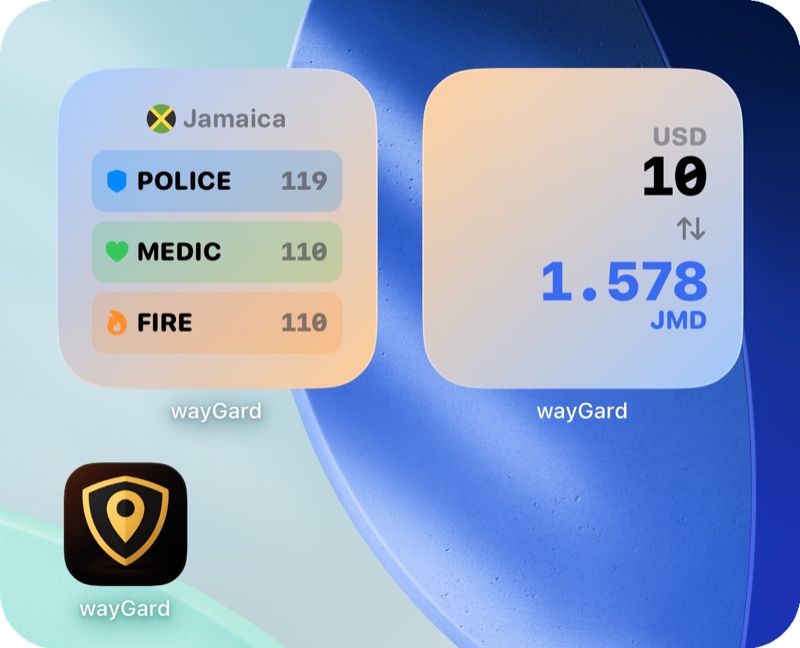
Jamaica emergency numbers: 119 (Police), 110 (Ambulance), 110 (Fire Department).

Is Jamaica safe for travelers?
Crime and homicide rates are high. Tourist areas are not usually the centre of gang violence, but robberies and opportunistic crime still affect visitors.
Be especially cautious in and around Kingston, Spanish Town, Savanna-la-Mar, and parts of Montego Bay including Flankers, Barrett Town, Glendevon, Rose Heights, and Mount Salem.
Avoid isolated beaches, deserted roads, and casual walking after dark outside main tourist zones.
Pickpocketing and snatch theft happen, but armed robbery is the more important risk to plan around.
Sexual assaults have been reported in tourist areas and resorts, often by someone the victim met at a bar, hotel, beach or on an excursion. Don't share your room number with new acquaintances, and use licensed taxis and tour providers.
What health risks should travelers know about in Jamaica?
Mosquito protection matters. Heat, dehydration, and sun exposure also catch visitors out faster than they expect.
What laws should tourists know about in Jamaica?
Sex between men is illegal, though not always enforced, and attitudes can be hostile. Criminals use dating apps to lure and rob LGBT+ travellers, so take great care meeting people from apps.
Ganja is decriminalised, not legal. Up to 2 ounces brings a fine, licensed medical dispensaries are the only legal source, and larger amounts or trying to take any out of Jamaica can mean prison, served in full. Pack your own bags.
How is transportation in Jamaica?
Use licensed red-plate taxis, hotel-arranged transport, or reputable booked rides rather than random street offers, especially from airports or nightlife areas.
Road conditions and driving standards can feel rough by visitor standards. Avoid unnecessary night driving outside the main resort corridors.
What should travelers know about money in Jamaica?
Cards work in many hotels and tourist businesses, but cash is still common for small vendors, route taxis, local food spots, and tips.
Use bank-linked ATMs where possible and avoid changing money informally. Taxi overcharging and fake fee add-ons are easier to avoid if you use a booked ride or agree the fare first.
Tipping is normal in tourism settings. Modest tips are common, and some restaurants already include a service charge.
What practical info do travelers need for Jamaica?
Plug types are A and B. Voltage is 110V.
Resort Jamaica and inner-city Jamaica do not feel like the same destination. Country-level assumptions can mislead you badly.
City Specific Info
Montego Bay
Some nearby districts have much higher crime risk than the resort strip. Do not wander into unfamiliar residential areas, especially after dark.
Kingston
From Norman Manley airport, take the South Camp Road route rather than Mountain View, which has seen sporadic violence. Visitors have been followed from the airport and robbed at private rentals, so use trusted transport and stay alert on arrival.
Which embassies are in Jamaica?
Mostly in Kingston, Kingston Parish.
 Algeria
 Argentina
 Belgium
 Brazil
 Canada
 Chile
 China
 Colombia
 Costa Rica
 Ecuador
 France
 Germany
 Holy See (Vatican City)
 India
 Japan
 Mexico
 Netherlands
 Panama
 Russia
 Senegal
 South Africa
 Spain
 Trinidad and Tobago
 United Kingdom
 United States
Traveling Nearby?
 Cuba
 Dominican Republic
Frequently Asked Questions
What is the emergency number in Jamaica?
In Jamaica, you can reach police at 119, ambulance at 110. These numbers work from any phone, including mobile phones without a local SIM card.
Is Jamaica safe for tourists?
Crime and homicide rates are high. Tourist areas are not usually the centre of gang violence, but robberies and opportunistic crime still affect visitors.
What currency is used in Jamaica?
Cards work in many hotels and tourist businesses, but cash is still common for small vendors, route taxis, local food spots, and tips.
What health precautions should I take in Jamaica?
Mosquito protection matters. Heat, dehydration, and sun exposure also catch visitors out faster than they expect.
What laws should tourists know about in Jamaica?
Sex between men is illegal, though not always enforced, and attitudes can be hostile. Criminals use dating apps to lure and rob LGBT+ travellers, so take great care meeting people from apps.
Get wayGard for iOS
Get all of Jamaica's safety info offline.
