
Guatemala Travel Safety Guide
What are the emergency numbers in Guatemala?
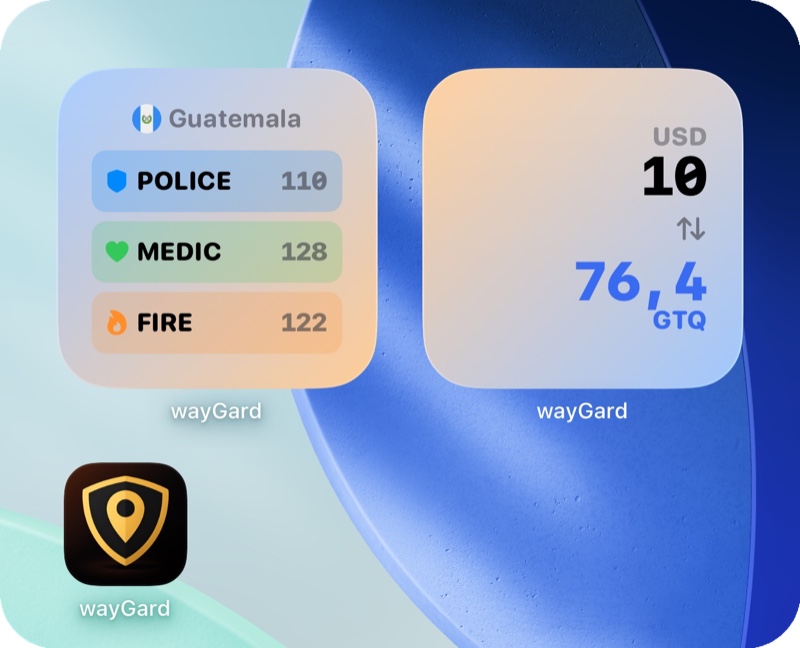
Guatemala emergency numbers: 110 (Police), 122 (Ambulance), 122 (Fire Department).

Is Guatemala safe for travelers?
This is not a low-friction safety destination. Crime remains a serious issue, and some areas carry much higher risk than the places most tourists talk about online.
Do not normalize moving around by road after dark unless you have a strong reason and trusted transport arranged.
Go only if essential within 5km of the Mexican border from the Pacific coast up to the Gracias a Dios crossing, which takes in the Tecún Umán, El Carmen and La Mesilla crossings, and to Santa Ana Huista, San Antonio Huista and La Democracia in Huehuetenango, because of gang violence. Check current conditions before crossing overland to Mexico.
Antigua is easier than many parts of the country, but it is still not a reason to drop normal bag and taxi caution, especially at night or on transfer days.
On overnight volcano hikes like Acatenango, nights drop below freezing, operators often underestimate the risks, and there is no mountain rescue. Pack warm layers and check CONRED or INSIVUMEH alerts, especially when Fuego is active.
What health risks should travelers know about in Guatemala?
Altitude, heat, food hygiene, and mosquito exposure can all matter depending on your route. Pack for changing conditions rather than assuming one climate profile.
What laws should tourists know about in Guatemala?
Carrying ID is the law, and a passport copy is usually accepted. In San Pedro La Laguna on Lake Atitlán, police may fine or detain you if you can't show your original passport or a certified copy.
How is transportation in Guatemala?
Roadblocks, demonstrations, and security operations can disrupt movement with little warning. Keep buffers on airport days and any transfer day that matters.
Avoid the public 'chicken buses': gangs attack and extort them, and fatal crashes are common. Use tourist shuttles or private coaches and travel by day, but know that armed robberies have happened on most routes between Guatemala City, Antigua, Lake Atitlán and Tikal.
To reach Lake Atitlán, take the Pan-American Highway rather than the Godínez bypass through Patzún, and avoid the Cocales to San Lucas Tolimán road. Between lakeside towns, boats may be safer than the roads.
What should travelers know about money in Guatemala?
Cards are common in better hotels and tourist businesses, but cash is still important for smaller operators, markets, tips, and transport.
What are the entry requirements for Guatemala?
Complete the online immigration declaration before you enter and again before you leave, and keep the QR code (printed or as a screenshot). Check your passport is stamped on arrival, or you will be fined and delayed when you leave.
City Specific Info
Guatemala City
Never hail a taxi on the street, as express kidnappings often start that way; use Uber, radio-dispatched or hotel taxis, or INGUAT prepaid vouchers at the airport. No zone is crime-free, including Zone 10; take extra care in Zone 1 and Zones 6 to 8 and 18 to 25.
Which embassies are in Guatemala?
Mostly in Guatemala City.
 Argentina
 Belize
 Brazil
 Canada
 Chile
 Colombia
 Costa Rica
 Ecuador
 El Salvador
 France
 Germany
 Holy See (Vatican City)
 India
 Israel
 Italy
 Japan
 Mexico
 Morocco
 Netherlands
 Panama
 Russia
 South Africa
 Spain
 Sweden
 Switzerland
 Taiwan
 Turkey
 United Kingdom
 United States
 Uruguay
Traveling Nearby?
 Honduras
Frequently Asked Questions
What is the emergency number in Guatemala?
In Guatemala, you can reach police at 110, ambulance at 122. These numbers work from any phone, including mobile phones without a local SIM card.
Is Guatemala safe for tourists?
This is not a low-friction safety destination. Crime remains a serious issue, and some areas carry much higher risk than the places most tourists talk about online.
What currency is used in Guatemala?
Cards are common in better hotels and tourist businesses, but cash is still important for smaller operators, markets, tips, and transport.
What health precautions should I take in Guatemala?
Altitude, heat, food hygiene, and mosquito exposure can all matter depending on your route. Pack for changing conditions rather than assuming one climate profile.
What laws should tourists know about in Guatemala?
Carrying ID is the law, and a passport copy is usually accepted. In San Pedro La Laguna on Lake Atitlán, police may fine or detain you if you can't show your original passport or a certified copy.
Get wayGard for iOS
Get all of Guatemala's safety info offline.
