Congo, Democratic Republic of the Travel Safety Guide
What are the emergency numbers in Congo, Democratic Republic of the?
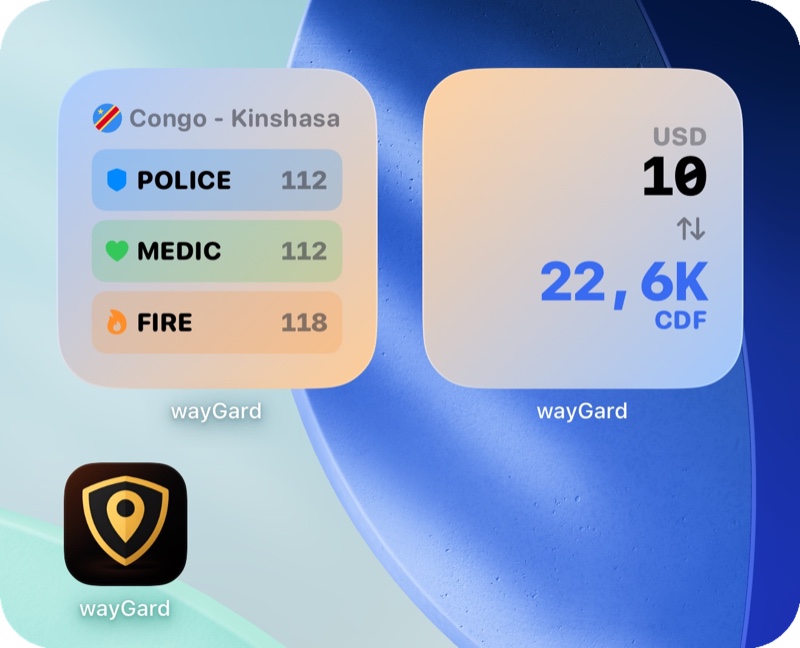
Congo, Democratic Republic of the emergency numbers: 112 (Police), 118 (Fire Department).

Is Congo, Democratic Republic of the safe for travelers?
Do not treat the DRC as normal tourism. Armed conflict, violent crime, kidnapping, and very weak emergency response make large parts of the country high-risk.
Do not travel to North Kivu (including Goma), South Kivu (including Bukavu), Ituri, Haut-Uélé, Maniema, Tanganyika, Haut-Lomami, Kwamouth territory in Mai-Ndombe, or within 50 km of the Central African Republic border. M23 rebels and Rwandan forces hold Goma and Bukavu and those airports have no commercial flights, so if you are already in North or South Kivu, leave while it is safe and routes are open.
Use Kisangani's Bangoka International Airport only if your trip is essential. M23 rebels have claimed drone attacks on it, and flights still run but can stop at short notice. Avoid Upemba National Park unless essential too, and tell the park authorities your plans before you go.
Even in major cities, avoid walking after dark, keep valuables hidden, and do not resist robbery.
What health risks should travelers know about in Congo, Democratic Republic of the?
An Ebola outbreak, declared a global health emergency in May 2026, is still active and widespread: avoid sick people, blood and body fluids, bushmeat and bats, and get medical help at once for a fever within 21 days. Expect screening or entry restrictions in other countries after you leave, and transit through Rwanda is allowed only for approved essential or humanitarian travel.
You need a yellow fever vaccination certificate to enter the DRC, and some countries ask for it when you arrive from the DRC. Get the vaccine at least 10 days before you travel, carry the certificate, and check whether you also need proof of polio vaccination.
Healthcare is limited and medical evacuation may be necessary for serious cases. Strong evacuation insurance is important.
Malaria and other mosquito-borne disease risks are relevant in many parts of the country.
What laws should tourists know about in Congo, Democratic Republic of the?
Photographing government buildings, borders or military sites can get you arrested. Do not wear camouflage or military-style clothing, which can get you mistaken for a soldier and attacked or detained.
How is transportation in Congo, Democratic Republic of the?
Domestic flights are often more realistic than road travel, but reliability can be poor. Overland travel between cities can be slow, unpredictable, and dangerous.
Use pre-arranged transport rather than casual street taxis, especially after dark.
What practical info do travelers need for Congo, Democratic Republic of the?
Cash matters much more than cards in much of the DRC. Do not rely on widespread card acceptance or reliable ATMs outside better hotels and business areas.
City Specific Info
Kinshasa
Avoid the N'djili and Kimbanseke districts south of the airport road, Kasa Vubu district, and the N1 road between Menkao and Kenge, unless essential. Criminals posing as police have kidnapped foreigners for ransom, including in Limete, and fake taxi drivers rob passengers, so use hotel-arranged transport.
Which embassies are in Congo, Democratic Republic of the?
Mostly in Kinshasa, Gombe, Lubumbashi.
 Algeria
 Belgium
 Brazil
 Canada
 China
 Côte d’Ivoire
 France
 Germany
 Ghana
 Greece
 Guinea
 Holy See (Vatican City)
 India
 Italy
 Japan
 Morocco
 Netherlands
 Norway
 Portugal
 Russia
 Serbia
 South Africa
 Spain
 Sweden
 Switzerland
 Tunisia
 Turkey
 United Kingdom
 United States
Frequently Asked Questions
What is the emergency number in Congo, Democratic Republic of the?
In Congo, Democratic Republic of the, you can reach police at 112, fire services at 118. These numbers work from any phone, including mobile phones without a local SIM card.
Is Congo, Democratic Republic of the safe for tourists?
Do not treat the DRC as normal tourism. Armed conflict, violent crime, kidnapping, and very weak emergency response make large parts of the country high-risk.
What health precautions should I take in Congo, Democratic Republic of the?
An Ebola outbreak, declared a global health emergency in May 2026, is still active and widespread: avoid sick people, blood and body fluids, bushmeat and bats, and get medical help at once for a fever within 21 days. Expect screening or entry restrictions in other countries after you leave, and transit through Rwanda is allowed only for approved essential or humanitarian travel.
What laws should tourists know about in Congo, Democratic Republic of the?
Photographing government buildings, borders or military sites can get you arrested. Do not wear camouflage or military-style clothing, which can get you mistaken for a soldier and attacked or detained.
Get wayGard for iOS
Get all of Congo, Democratic Republic of the's safety info offline.
